-
Kutchina service center, Beleghata, Kolkata, WB-700010
Kutchina service center, Beleghata, Kolkata, WB-700010
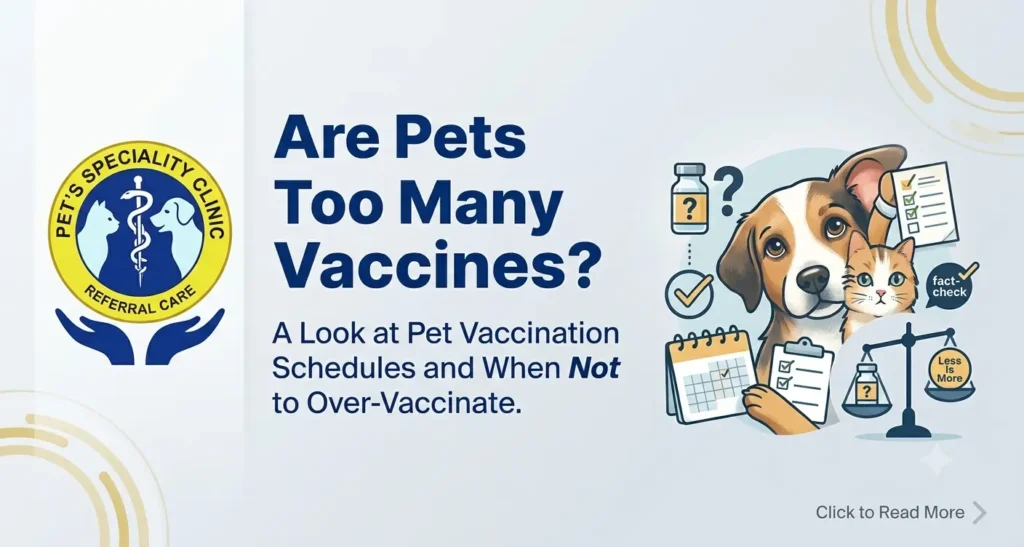
Vaccination is one of the most effective ways to protect pets from serious diseases. However, many pet owners wonder whether modern pets receive more vaccines than necessary for preventive pet healthcare. Understanding vaccine schedules, risk factors, and veterinary recommendations can help owners make informed healthcare decisions while ensuring their pets remain protected, healthy, and active throughout every life stage.
A trusted best pet clinic focuses on evidence-based vaccination protocols tailored to each pet’s age, lifestyle, and health condition. Rather than administering unnecessary vaccines, experienced veterinarians evaluate individual risk factors and preventive healthcare needs. Personalized vaccination plans help maintain long-term health while minimizing risks and ensuring optimal disease protection for pets.
Choosing the best pet clinic in Kolkata for Preventive Pet Healthcare helps ensure pets receive appropriate vaccinations based on scientific guidelines. Many pet owners wonder, “How do veterinarians decide on vaccination schedules? “ Veterinarians assess age, lifestyle, medical history, and disease exposure risks. A best pet clinic in Kolkata develops personalized healthcare plans that balance disease prevention with responsible vaccination practices.
Vaccines have dramatically reduced the incidence of life-threatening diseases in dogs and cats. Conditions such as rabies, parvovirus, distemper, and feline panleukopenia were once common causes of severe illness and death.
Vaccination remains one of the most important components of Preventive Pet Healthcare.
Over-vaccination refers to administering vaccines more frequently than medically necessary or without considering a pet’s individual needs.
Pet owners may worry about:
However, modern veterinary medicine relies on research-based vaccination protocols rather than one-size-fits-all schedules.
Veterinarians create vaccination plans based on several important factors.
Puppies and Kittens
Young animals require multiple vaccines because maternal antibodies gradually decrease during early life.
Adult Pets
Adults often need boosters at longer intervals depending on vaccine type.
Senior Pets
Older pets may require individualized assessments based on health status.
Veterinarians evaluate:
Certain diseases are more common in specific regions.
Examples include:
A veterinarian considers:
Dogs and cats have different vaccination requirements.
Understanding this distinction helps explain why vaccination schedules vary.
Recommended for nearly all pets.
Recommended based on lifestyle and risk.
Examples
| Pet Stage | Typical Vaccination Focus | Frequency |
| Puppy/Kitten | Initial series | Every few weeks |
| Adult | Booster doses | Every 1–3 years |
| Senior | Risk-based boosters | Individualized |
| High-Risk Pets | Additional protection | As recommended |
Like any medical procedure, vaccines may cause mild side effects.
Common Reactions
Most reactions resolve quickly.
Prompt veterinary attention is required if serious symptoms develop.
Years ago, annual vaccination was commonly recommended.
Today, research has improved understanding of vaccine immunity duration.
Veterinarians focus on:
This reduces unnecessary vaccinations while maintaining protection.
Vaccination is only one part of comprehensive Preventive Pet Healthcare.
Wellness Exams
Regular checkups help identify health issues early.
Parasite Prevention
Protection against:
Nutrition Counseling
Proper nutrition supports immune health.
Dental Care
Oral health affects overall wellbeing.
Weight Management
Maintaining a healthy weight reduces disease risks.
Consult Your Veterinarian If:
Myth 1: More Vaccines Mean Better Protection
Proper scheduling is more important than frequency.
Myth 2: Indoor Pets Never Need Vaccines
Indoor pets can still be exposed to diseases.
Myth 3: Vaccines Cause Disease
Approved vaccines undergo rigorous safety testing.
Myth 4: Older Pets Never Need Vaccinations
Senior pets may still require protection depending on risk factors.
Tailored Protection
Matches actual exposure risks.
Reduced Medical Risks
Avoids unnecessary procedures.
Better Health Monitoring
Encourages routine veterinary visits.
Improved Long-Term Wellness
Supports lifelong disease prevention.
Selecting a trusted veterinary clinic ensures vaccination decisions are based on medical evidence rather than assumptions.
Experienced Veterinarians
Knowledge of current guidelines.
Individualized Care
Personalized recommendations.
Comprehensive Preventive Services
Complete health management.
Advanced Diagnostic Support
Accurate health assessment.
APC Pet Clinic and Referral Care led by Chirotosh Roy and Aparajeeta Chakroborty Roy emphasizes scientific, patient-centered veterinary care.
Key Focus Areas
Benefits for Pet Owners
Disease Prevention
Reduces the risk of infectious diseases.
Early Detection
Identifies health concerns before they become serious.
Improved Quality of Life
Helps pets remain active and healthy.
Lower Healthcare Costs
Prevention is often more affordable than treatment.
Is my pet due for any core vaccines?
Does my pet need non-core vaccines?
What diseases are common in my area?
Are vaccine titers appropriate?
What side effects should I watch for?
How often should wellness exams be scheduled?
Modern veterinary medicine generally does not support unnecessary vaccination. Veterinarians follow evidence-based guidelines and assess each pet’s age, lifestyle, health status, and disease exposure risk. Personalized vaccination schedules help maintain protection against serious diseases while avoiding excessive or unnecessary vaccine administration, making vaccination an important part of Preventive Pet Healthcare.
Vaccination remains a vital component of Preventive Pet Healthcare, but modern veterinary medicine emphasizes personalized care rather than unnecessary vaccine administration. Choosing a emergency veterinarian in Kolkata ensures your pet receives evidence-based recommendations tailored to individual health needs. Clinics such as APC Pet Clinic and Referral Care led by Chirotosh Roy and Aparajeeta Chakroborty Roy help pets enjoy healthier, safer, and longer lives.
How do veterinarians determine vaccination schedules?
Veterinarians evaluate age, medical history, lifestyle, exposure risk, geographic location, and previous vaccinations before creating personalized schedules.
Can pets receive too many vaccines?
Modern veterinary protocols aim to avoid unnecessary vaccinations by following scientific guidelines and individualized healthcare plans.
Do indoor pets need vaccinations?
Yes. Indoor pets can still be exposed to certain infectious diseases and often require core vaccines.
What are core vaccines for pets?
Core vaccines protect against serious diseases that affect most pets and are generally recommended for all dogs and cats.
Are vaccine side effects common?
Most adverse effects are minor and short-lived, including soreness or tiredness. Serious reactions are rare.
Why is Preventive Pet Healthcare important?
Preventive care helps detect health problems early, reduces disease risks, improves quality of life, and supports long-term wellness.
How often should pets visit a veterinarian?
Most pets benefit from at least one annual wellness examination, while senior pets may require more frequent visits.
How can the best pet clinic in Kolkata help my pet?
A trusted veterinary clinic provides personalized vaccination schedules, preventive healthcare services, wellness exams, and expert medical guidance.