-
Kutchina service center, Beleghata, Kolkata, WB-700010
Kutchina service center, Beleghata, Kolkata, WB-700010

As pet owners, we pay attention to what our pets eat, how they play, and whether they are active throughout the day. However, one thing that often goes unnoticed is how they sleep. A dog’s favorite sleeping position or a cat’s sleeping routine may seem adorable, but it can also offer valuable clues about their overall health and well-being.
Pets cannot tell us when they are uncomfortable or feeling unwell. Instead, they express themselves through their actions, body language, and everyday routines. Sleep is one of those habits that can reveal a lot about what is happening inside their body.
While sleeping positions alone cannot diagnose a medical condition, they can help pet owners notice changes that may require attention. If you ever notice unusual sleeping patterns, consulting a veterinary clinic in Kolkata can help identify any underlying health concerns before they become serious.
Let’s take a closer look at what your pet’s sleeping habits may be trying to tell you.
Just like people, pets rely on restful sleep to maintain their overall health and well-being. Sleep helps repair tissues, supports the immune system, improves brain function, and allows the body to recover from daily activities.
Dogs typically sleep for 12 to 14 hours each day, while cats often spend even more time resting, often reaching 15 to 20 hours daily. Puppies, kittens, and senior pets generally require more rest.
Because pets spend so much of their time sleeping, changes in their sleeping behavior are often among the earliest signs that something may not be right.
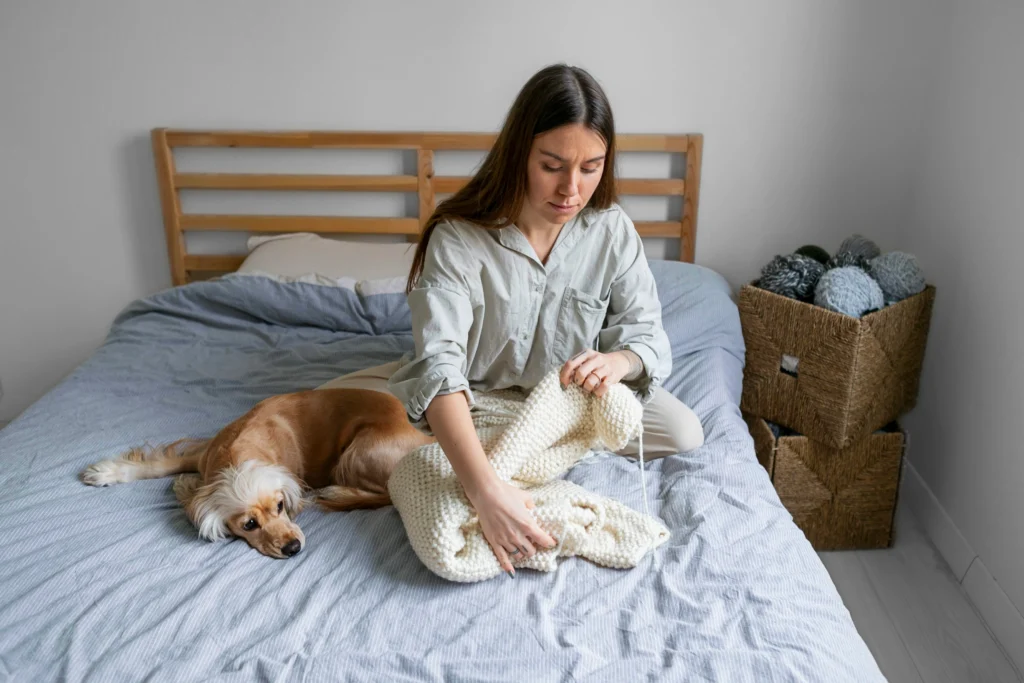
This is one of the most common sleeping positions seen in both dogs and cats.
When pets curl into a ball, they are protecting their vital organs while conserving body heat. Pets often choose this position because it offers a feeling of comfort and protection while they rest.
In most cases, this sleeping posture is completely normal. However, if a pet that usually sleeps stretched out suddenly begins curling up all the time and appears less energetic, it could indicate discomfort or illness.
Monitoring such changes and discussing them with a veterinary clinic in Kolkata can help rule out any health concerns.
A pet lying comfortably on its side is usually a sign of complete relaxation.
This position allows muscles to relax fully and often indicates that the pet feels safe in its environment. Pets sleeping this way typically enter deep, restful sleep.
If your dog or cat frequently sleeps on its side, it generally reflects good physical and emotional health.
Many pet owners love seeing this funny sleeping position.
When a pet sleeps on its back with its legs in the air, it often means they feel secure and comfortable. This posture also helps regulate body temperature because the abdomen is One of the areas of the body with the least fur coverage.
Pets that sleep in this position are often comfortable, calm, and confident in their environment.
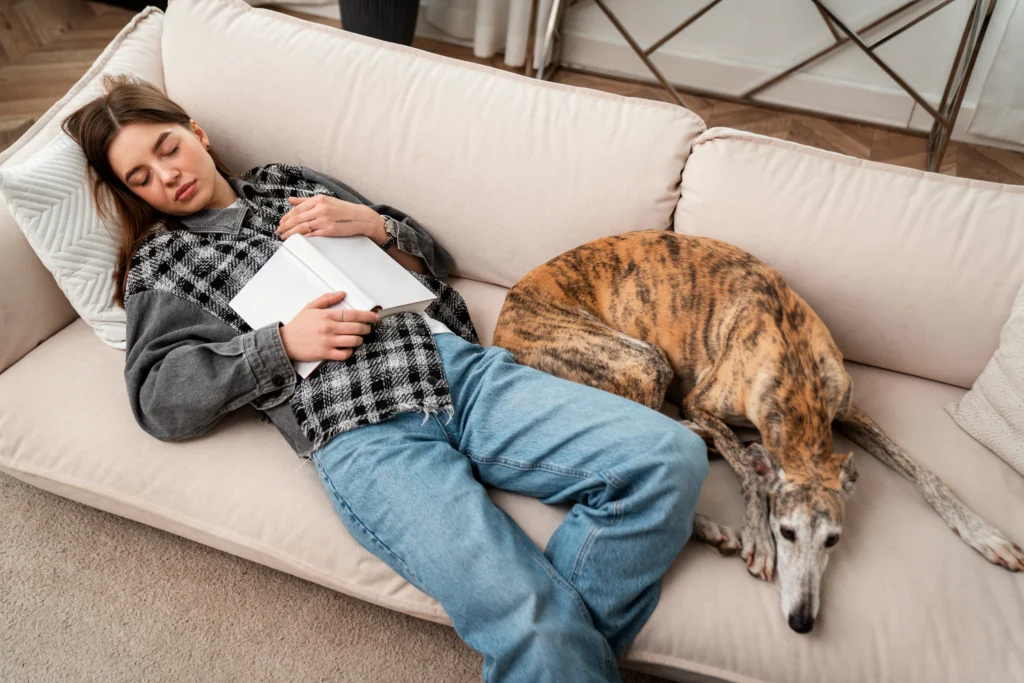
Many pets choose to sleep close to their owners or other pets in the household.
This behavior comes from natural instincts. In the wild, animals sleep together for warmth, safety, and companionship.
If your pet enjoys sleeping near you, it is often a sign of trust and affection. It indicates that they feel secure and consider you part of their family group.
This sleeping habit is usually a positive sign of emotional well-being.
Healthy pets naturally move during sleep, but excessive restlessness may be worth noticing.
If your pet constantly shifts positions, gets up repeatedly, or appears unable to get comfortable, there could be an underlying issue.
Possible causes include:
Senior pets are particularly prone to sleep disturbances caused by joint stiffness and chronic pain. Regular health check-ups at a veterinary clinic in Kolkata can help identify and manage these conditions effectively.
Cats especially enjoy finding quiet corners, but if your normally social pet suddenly starts If your pet frequently chooses to sleep away from others, it may be a sign of an underlying issue. Animals often hide when they are feeling vulnerable, stressed, or unwell.
Watch for additional signs such as:
If these behaviors persist, a professional evaluation may be necessary.
Many pet owners assume extra sleep is simply part of aging. While older pets do rest more, sudden increases in sleep duration should not be ignored.
Excessive sleeping can sometimes be linked to:
If your pet’s sleeping hours have increased significantly without any obvious reason, consulting a veterinary clinic in Kolkata is recommended.
Not every change in sleeping habits indicates a health problem. However, certain warning signs should prompt further attention.
Contact a veterinarian if you notice:
The earlier a health issue is detected, the easier it is to manage and treat.
Creating a comfortable sleeping environment can make a significant difference in your pet’s health.
Choose bedding that supports your pet’s body, especially for older pets with joint problems.
Pets thrive on consistency. Regular feeding, exercise, and sleep schedules help improve sleep quality.
Physical exercise and mental stimulation help pets sleep better and reduce anxiety-related restlessness.
A calm environment allows pets to rest without unnecessary disturbances.
Routine examinations at a veterinary clinic in Kolkata can help identify health concerns before they begin affecting your pet’s sleep and overall quality of life.
Your pet’s sleeping habits can reveal much more than simple preferences. Whether they sleep curled up, stretched out, on their back, or beside you, these behaviors can provide useful insights into their physical and emotional well-being.
The key is to pay attention to changes. A sleeping position that has remained consistent for years is usually normal. However, sudden changes in sleep patterns, restlessness, excessive sleeping, or signs of discomfort may signal that something requires attention.
As a pet owner, observing these small details can help you spot potential health issues early. When in doubt, seeking advice from a trusted veterinary clinic in Kolkata can ensure your pet receives the care they need to stay happy, healthy, and comfortable for years to come.
Sleeping positions alone do not confirm illness, but sudden changes in sleeping behavior can sometimes indicate discomfort or health issues.
Dogs often sleep on their backs because they feel safe, relaxed, and comfortable in their environment.
Yes. Cats naturally sleep for long periods, often between 15 and 20 hours daily.
This may be a sign of stress, fear, discomfort, or illness, especially if accompanied by other behavioral changes.
Most healthy pets benefit from at least one annual wellness examination, while senior pets may require more frequent visits.