-
Kutchina service center, Beleghata, Kolkata, WB-700010
Kutchina service center, Beleghata, Kolkata, WB-700010

Hello Reader!
Welcome to the blog page of APC Pet Clinic, one of the best pet clinic in Kolkata.
Bringing a dog into your home is a joyful experience, but one of the first challenges every pet parent faces is training their dog for proper bathroom habits. Successful toilet training not only keeps your home clean but also builds discipline, trust, and a strong bond between you and your furry companion. At APC Pet Clinic, widely regarded as the best pet clinic in Kolkata, we guide pet parents through every stage of responsible pet ownership, including effective dog training.
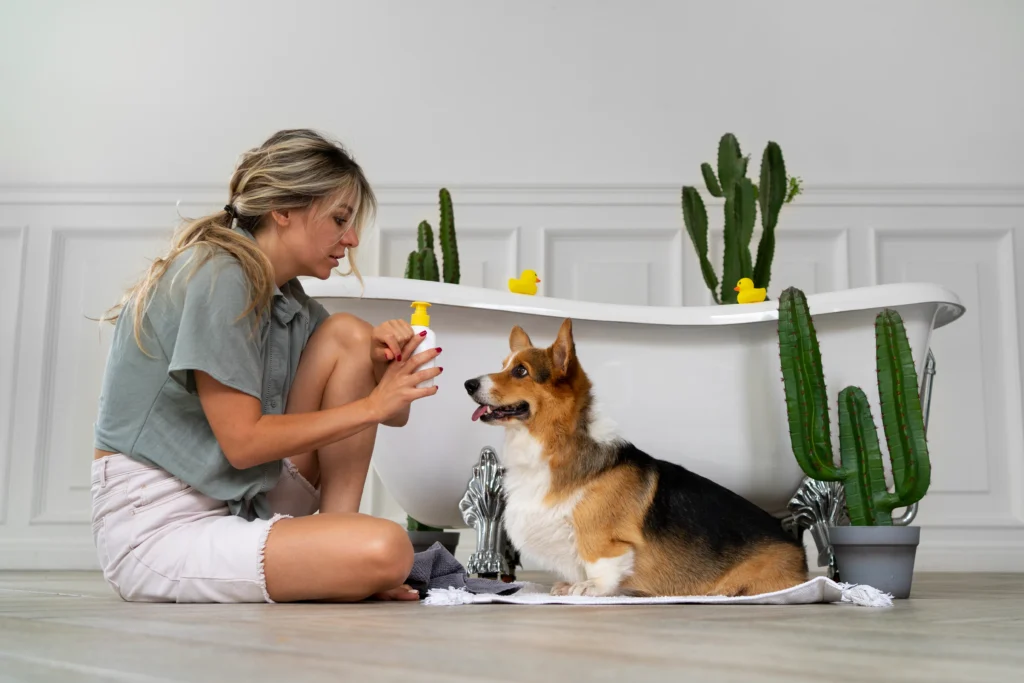
Bathroom training is one of the most essential aspects of training your dog. Proper habits help:
Dogs thrive on structure, and consistent toilet training provides them with a sense of security and understanding.
The ideal time to begin training your dog for bathroom success is:
Regardless of age, dogs can learn with patience and consistency. Even older or rescued dogs can be successfully trained with the right approach.
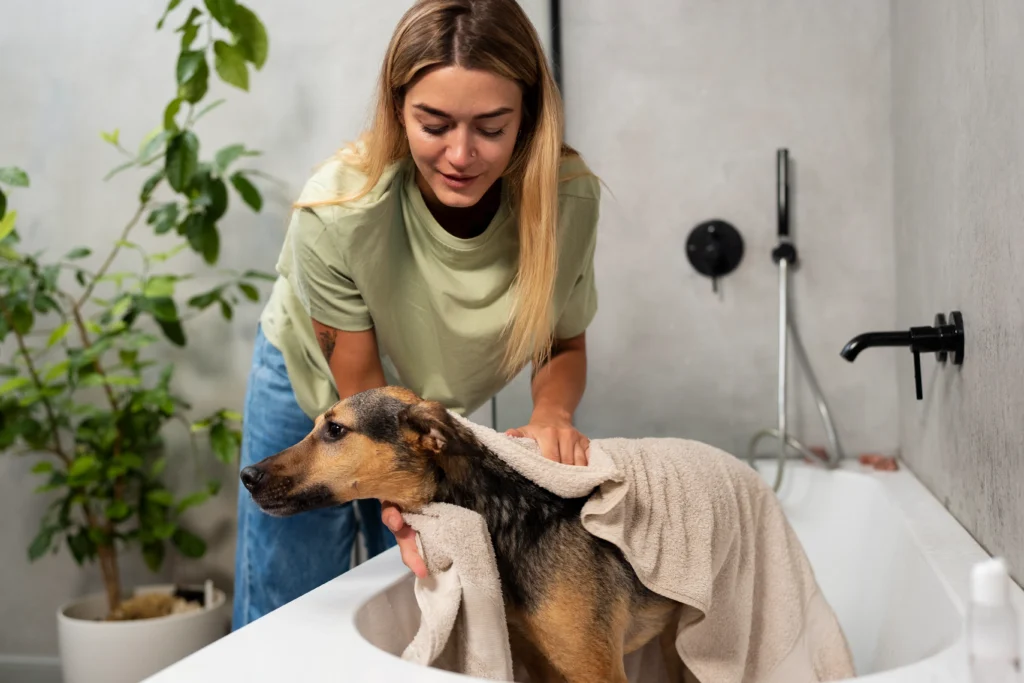
Choose a specific place outdoors or indoors (using training pads). Taking your dog to the same spot helps them associate the location with bathroom activity. This is a core step in training your dog effectively.
Dogs learn faster with routines. Take your dog out:
Consistency is key to successfully training your dog and reducing accidents.
Reward your dog immediately after they use the correct bathroom spot. Rewards can include:
Positive reinforcement is far more effective than punishment and is strongly recommended by experts at the best pet clinic in Kolkata.
Most dogs show signs before needing to go, such as:
Recognizing these signs helps you take your dog out on time, strengthening the process of training your dog.
Scolding or punishment can confuse and scare your dog. It may lead to anxiety or hidden accidents. Instead, calmly clean the area and continue with consistent training methods advised by professionals at the best pet clinic in Kolkata.
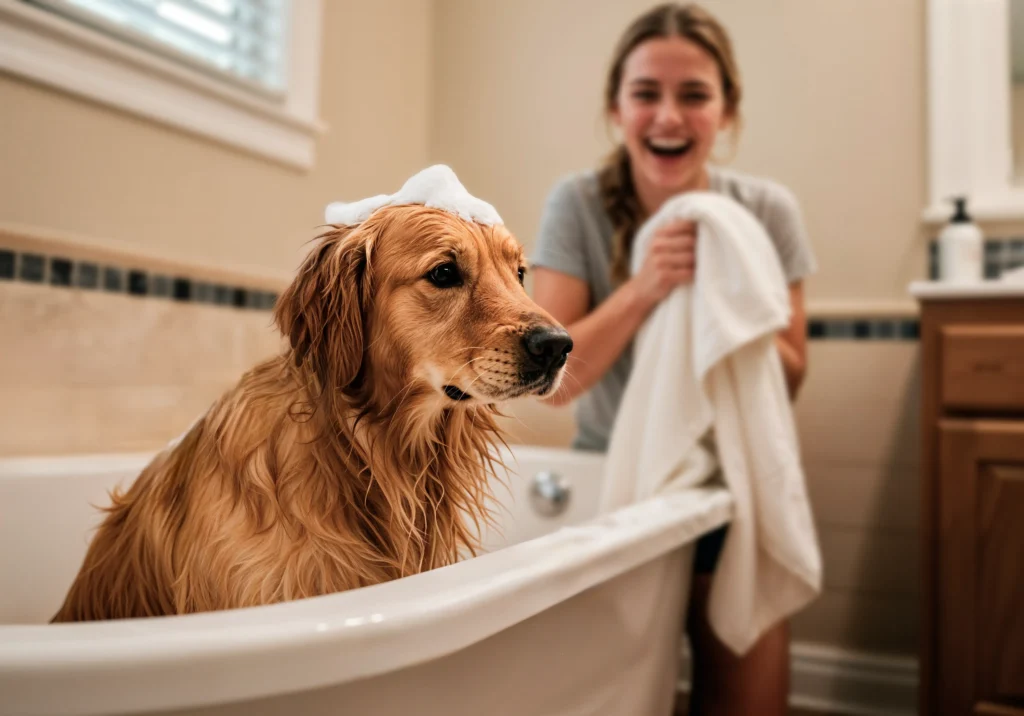
Training your dog begins with grasping bladder basics, as puppies and adults have different capacities that dictate potty timing and training success. At APC Pet Clinic, the best pet clinic in Kolkata, vets explain that a puppy’s bladder holds urine for roughly one hour per month of age, like 2-3 hours max for an 8-week-old.
Puppies under 6 months possess immature bladders with limited sphincter control, leading to frequent urges post-meal or play. Adult dogs manage 6-8 hours overnight but signal needs via circling or whining if overlooked. Understanding this prevents frustration in training your dog, aligning outings with natural cycles.
These limits stem from physiology—dogs instinctively avoid soiling dens, but overload leads to accidents.
Infections like UTIs weaken signals, mimicking poor training your dog efforts—check at APC Pet Clinic, the best pet clinic in Kolkata. Diet affects urine volume; high-moisture foods prompt more breaks. Tailor schedules accordingly for faster bathroom success
Signs that a dog cannot fully empty its bladder often indicate urinary retention or obstruction, requiring immediate vet attention to prevent life-threatening complications like kidney damage or bladder rupture. At APC Pet Clinic, the best pet clinic in Kolkata, experts stress monitoring during training your dog to differentiate training issues from medical ones.
Frequent attempts to urinate with straining, squatting repeatedly, or lifting legs without producing much urine signal incomplete emptying. Dribbling small amounts of dark, bloody, or foul-smelling urine, often paired with restlessness or whining, points to partial blockages. Dogs may lick excessively around the genitals or backend due to discomfort.
A distended or swollen abdomen from urine buildup feels firm and painful to touch. Lethargy, loss of appetite, vomiting, or weakness arise as toxins accumulate, especially in complete retention emergencies.
During potty routines, if signals persist despite schedules, rule out stones, infections, or sphincter issues at APC Pet Clinic, the best pet clinic in Kolkata. Males, seniors, and certain breeds face higher risks—don’t delay, as untreated cases lead to uremia.
Also Read: How to Apply Spot On Treatment to a Dog?

Accidents are normal, especially during early stages. Clean the area thoroughly to remove odor, as lingering smells may encourage repeat behavior.
Sometimes dogs forget training due to stress, illness, or environmental changes. If this happens, restart the routine patiently.
Frequent accidents may indicate health problems like urinary infections or digestive issues. Consulting the best pet clinic in Kolkata ensures your dog’s health is not affecting their training.
Our veterinarians at APC Pet Clinic can help you decide the best approach based on your dog’s age, breed, and lifestyle.
Bathroom training usually takes:
Remember, every dog is different. Successful training your dog depends on patience, routine, and positive guidance.
If you’re struggling with training your dog, professional guidance can make the process smoother and stress-free. At APC Pet Clinic, known as the best pet clinic in Kolkata, we offer expert advice on dog behavior, training challenges, and overall pet wellness.
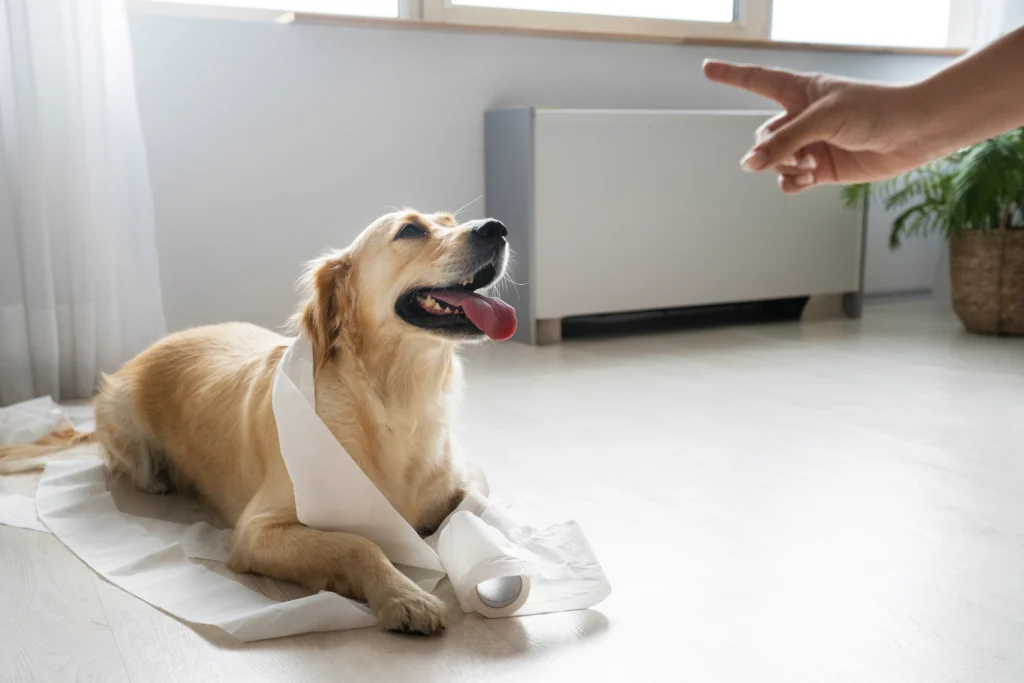
If your dog cannot urinate, treat it as a veterinary emergency, as blockages can lead to toxin buildup, kidney failure, or bladder rupture within hours. At APC Pet Clinic, the best pet clinic in Kolkata, immediate intervention saves lives during training your dog disruptions.
Stop home remedies and contact your vet or emergency clinic right away—do not wait for improvement. Observe and note symptoms like straining without output, whining, dribbling blood, lethargy, vomiting, or abdominal swelling to report accurately. Keep your dog calm and comfortable, offering small sips of water if not vomiting, but avoid forcing urination.
Transport promptly while monitoring breathing and responsiveness. If possible, collect a mid-stream urine sample using gloves and a clean container for analysis, but prioritize speed over this. At the clinic, expect physical exams, imaging, catheterization for relief, and tests to identify causes like stones or infections.
| Urgency Level | Action Timeline | Key Signs |
| Critical | Now | No urine, pain, or collapse |
| High | Within 1 hour | Straining, blood dribbles |
Follow vet-prescribed treatments like antibiotics, diet changes, or surgery, then resume training your dog’s schedules with health checks at APC Pet Clinic, the best pet clinic in Kolkata. Males and seniors need routine monitoring to catch issues early.
Crate training safely supports bathroom routines by leveraging dogs’ natural instinct to avoid soiling their sleeping area, making potty training more effective. At APC Pet Clinic, the best pet clinic in Kolkata, veterinarians recommend a gradual introduction to prevent stress while integrating it with training your dog’s schedule.
Choose a crate sized just large enough for your dog to stand, turn around, and lie down comfortably—too much space allows corner soiling. Use dividers for growing puppies and add soft, washable bedding plus safe toys to create a cozy den-like feel. Cover partially with a blanket for security, ensuring airflow, and place it in a family area like the living room.
Introduce the crate positively by tossing treats inside and feeding meals within it to build association. Start with short sessions: Leave the door open initially, then close it for brief periods while nearby, gradually increasing time to 1-2 hours. For bathroom routines, take your dog straight outside upon exit, using a cue like “go potty,” and reward success immediately.
Crate after meals, play, or naps to predict elimination needs, preventing accidents indoors. Clean any mishaps with enzymatic cleaners to remove scents, and maintain a schedule: Every 1-2 hours for puppies. If whining occurs, ensure needs are met first—hunger, thirst, or potty—before ignoring for settling.
| Puppy Age | Crate Time Limit | Potty Breaks |
| 8-12 weeks | 2-3 hours | Every 1 hour |
| 3-6 months | 4 hours | Every 2-4 hours |
Monitor for distress signs like excessive panting or drooling, adjusting pace as needed. Provide a crate water bowl for puppies, but remove at night to encourage holding. For stubborn cases in training your dog, visit APC Pet Clinic, the best pet clinic in Kolkata, for tailored advice and health checks. Consistency yields accident-free success in weeks.
Developing a consistent feeding and potty schedule for puppies predicts elimination times, reduces accidents, and builds reliable habits during training your dog. At APC Pet Clinic, the best pet clinic in Kolkata, vets stress syncing meals with breaks for puppies under six months, whose bladders hold for roughly one hour per month of age.
Feed puppies three to four measured meals daily at fixed times, avoiding free-feeding to regulate digestion. Limit water an hour before bedtime but ensure access otherwise, tying intake to potty opportunities. Track patterns: Potty needs peak 15-30 minutes post-meal, after naps, play, or waking.
Tailor to your puppy’s age, starting strict and easing as control grows.
| Time | Activity | Potty Break |
| 6-7 AM | Wake + Breakfast | Immediately after |
| 9 AM | Mid-morning meal/play | 15-30 min post |
| 12 PM | Lunch + short nap | Upon waking |
| 3 PM | Afternoon snack/training | Right after |
| 6 PM | Dinner + exercise | 20 min later |
| 9 PM | Last potty before bed | No water after |
For 8-12 week olds, add hourly checks; extend intervals monthly.
Use a cue like “outside” during breaks and reward successes with treats to link the schedule to behavior. Involve family for uniformity, logging accidents to refine timing. Integrate crate time post-meal to hold until the next break.
If accidents persist, rule out health issues at APC Pet Clinic, the best pet clinic in Kolkata, before adjusting portions or frequency. Skip treats near bedtime and clean mishaps enzymatically. Full consistency yields success in 7-14 days for most puppies.

You can start bathroom training as early as 8 weeks of age, using gentle guidance, consistency, and positive reinforcement.
Puppies usually need breaks every 2–3 hours, while adult dogs benefit from regular outings after meals, naps, and playtime.
Reward your dog immediately with praise or treats when they use the correct spot, helping them associate the behavior with positive outcomes.
Most dogs learn within a few weeks, but complete bathroom success may take 1–3 months, depending on age, breed, and consistency.
Avoid punishment, clean the area thoroughly, review the training routine, and consult a veterinarian or trainer if accidents persist.
Bathroom training is a vital milestone in training your dog and building a happy, healthy life together. With consistency, understanding, and expert support, your dog can learn proper bathroom habits successfully.
For personalized advice, behavioral guidance, and complete pet healthcare, trust APC Pet Clinic – the best pet clinic in Kolkata, where your pet’s health and happiness come first.