-
Kutchina service center, Kolkata - 700010
Kutchina service center, Kolkata - 700010
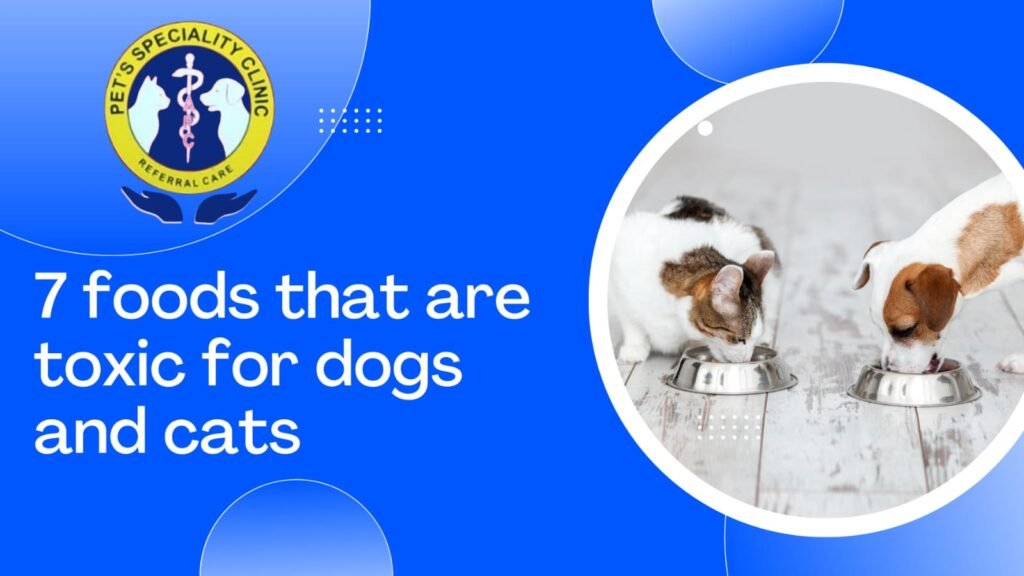
If you’re a pet parent, you already know that dogs and cats are not just animals—they’re family. And just like we care about what goes on our plate, it’s equally important to monitor what goes into theirs. Many pet owners unknowingly feed their pets foods that seem harmless but can actually be dangerous or even life-threatening.
At the best pet clinic in Kolkata, one of the most common emergencies veterinarians see is accidental food poisoning in pets. Most of these cases are preventable. The goal here is simple—help you understand what foods to avoid so your furry companion stays safe, healthy, and happy.

Chocolate is one of the most well-known toxic foods for pets, yet incidents still happen frequently. It contains substances called theobromine and caffeine, which pets cannot metabolize properly.
Darker chocolate is more dangerous than milk chocolate. Cats are less likely to eat chocolate, but dogs are naturally curious and often consume it if accessible.
If your pet eats chocolate, it’s not something to “wait and watch.” Immediate veterinary attention is critical—consult the best pet clinic in Kolkata without delay to ensure timely and proper treatment.
Onions and garlic, whether raw, cooked, or powdered, can damage your pet’s red blood cells. This can lead to anemia, which may not show symptoms immediately.
The tricky part is that these ingredients are present in many household foods like curries, gravies, and packaged snacks. Feeding leftovers can unknowingly put your pet at risk.
This is why vets at the best pet clinic in Kolkata often advise avoiding human food altogether unless specifically approved.
Grapes and raisins can cause sudden kidney failure in dogs. Even a small quantity can be harmful, and the exact toxic component is still not fully understood.
What makes this dangerous is unpredictability—some pets react severely even to tiny amounts. There is no safe quantity.
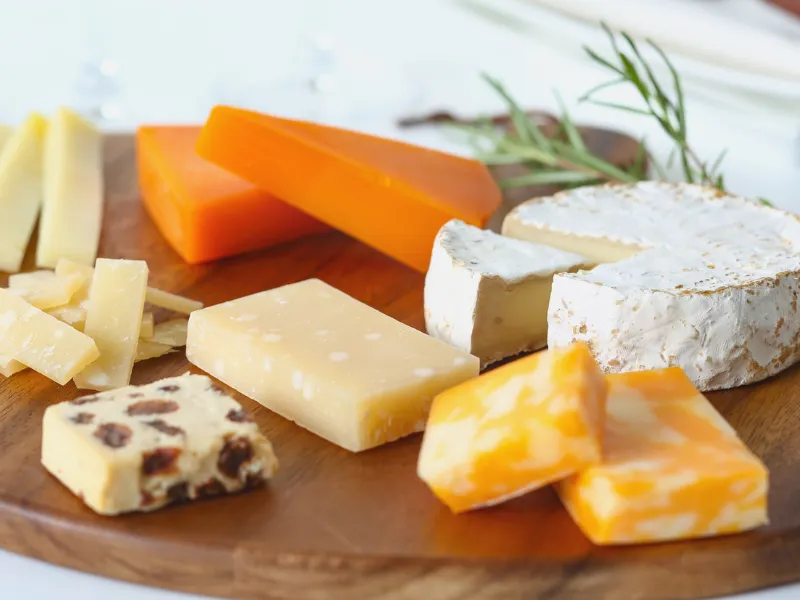
It’s a common myth that cats love milk and it’s good for them. In reality, many pets are lactose intolerant.
While small amounts might not be toxic, regular consumption can cause ongoing digestive problems. If your pet shows signs of intolerance, it’s best to eliminate dairy from their diet.
Xylitol is an artificial sweetener found in sugar-free gums, candies, peanut butter, and even some toothpaste. It is extremely toxic to dogs.
Even a very small amount can be fatal. Always check labels before giving your pet anything processed.
Alcohol affects pets much more quickly and severely than humans. Even small amounts can lead to serious health issues.
This includes not just drinks but also foods prepared with alcohol or fermented products.

Caffeine is found in coffee, tea, energy drinks, and even some medications. It can overstimulate your pet’s nervous system.
Pets are far more sensitive to caffeine than humans, so even small exposure can be harmful.
| Food Item | Main Risk | Common Symptoms | Severity Level |
|---|---|---|---|
| Chocolate | Theobromine toxicity | Vomiting, seizures | High |
| Onions/Garlic | Red blood cell damage | Weakness, anemia | Medium-High |
| Grapes/Raisins | Kidney failure | Lethargy, vomiting | High |
| Dairy Products | Lactose intolerance | Diarrhea, gas | Low-Medium |
| Xylitol | Blood sugar crash | Seizures, liver failure | Very High |
| Alcohol | Nervous system depression | Disorientation, breathing issues | High |
| Caffeine | Nervous system stimulation | Tremors, rapid heart rate | Medium-High |
Accidents happen. What matters is how quickly you act.
Time is critical in these situations. Early treatment can make a huge difference in recovery.

When it comes to your pet’s health, prevention isn’t just a good practice—it’s the smartest long-term strategy. Most cases of food toxicity in pets happen at home, and in many situations, they are completely avoidable with a little awareness and discipline. Veterinarians at the best pet clinic in Kolkata often emphasize that proactive care is far more effective, less stressful, and significantly more affordable than emergency treatment.
Creating a safe environment for your pet starts with controlling what they have access to. Pets, especially dogs, are naturally curious and tend to explore through taste. This makes it essential to keep all toxic foods well out of reach. Kitchen counters, dining tables, and even low shelves can become easy targets if food is left unattended. Using sealed containers and storing items in closed cabinets can make a big difference in preventing accidental ingestion.
Education within the household is equally critical. Every member of the family, including children and elderly members, should understand which foods are unsafe for pets. Often, accidents happen not because of negligence, but because of a lack of awareness. Clear communication and simple rules—like not feeding pets without permission—can significantly reduce risks. Clinics known as the best pet clinic in Kolkata frequently highlight that informed pet owners are the first line of defense against preventable health issues.
Proper storage of packaged foods is another key factor that many people overlook. Items like chocolates, sugar-free products containing xylitol, and snack packets should always be stored securely. Pets can easily tear through plastic or paper packaging if they smell something appealing. Keeping such items in airtight containers or high cabinets ensures they remain inaccessible.
Being aware of what your pet should not eat is one of the most important responsibilities of a pet owner. Many of these foods are part of our daily diet, which is why accidents are so common.
If you ever feel unsure about your pet’s diet or notice unusual symptoms, consulting professionals at the best pet clinic in Kolkata can help you take the right steps at the right time.
Your pet depends on you for their safety—making informed choices today can protect them for years to come.