-
Kutchina service center, Beleghata, Kolkata, WB-700010
Kutchina service center, Beleghata, Kolkata, WB-700010
Living in Kolkata means dealing with extreme summers, heavy monsoons, and sudden seasonal shifts. While we adjust with fans, ACs, and umbrellas, our cats silently struggle with the same conditions—often without showing obvious signs at first.
Many cat owners assume their pet is “just lazy” or “not in the mood,” but in reality, weather-related health issues are one of the most common reasons cats fall sick in this region. Understanding these problems early can save your cat from discomfort and prevent emergency situations later.
This guide breaks down the most common weather-related issues affecting cat health residents face, and what you should realistically watch out for.
Cats are sensitive animals. They don’t sweat like humans, they hide pain instinctively, and they react strongly to environmental changes. Kolkata’s climate combines:
Together, these factors create a perfect storm for infections, dehydration, respiratory trouble, and parasite growth. Indoor cats are not immune either—poor ventilation and humidity can still impact them.
Kolkata summers can be brutal, especially from April to June. Cats regulate heat primarily through grooming and limited panting, which makes them vulnerable to overheating.
You may notice your cat sleeping more than usual, avoiding movement, or showing reduced interest in food. These are often dismissed as normal behavior, but they can be early signs of heat stress.
In severe cases, dehydration can set in quietly. Gums may appear dry, urination may reduce, and the cat may seem unusually weak. Heat-related stress is one of the most underestimated contributors to poor cat health veterinarians encounter during summer months.
What helps:
Humidity is a breeding ground for skin issues. During monsoon, moisture trapped in fur—especially around the neck, belly, and paws—can lead to fungal infections.
You might notice hair loss in patches, redness, or constant scratching. Some cats develop small wounds due to excessive licking, which then become infected.
Skin conditions don’t resolve on their own and often worsen quickly in damp weather. Left untreated, they can spread across the body and become painful.
This is a recurring concern for cat health , especially in homes with limited sunlight and airflow.
Kolkata’s weather often changes overnight—warm days followed by cooler evenings or sudden rain. These fluctuations can trigger respiratory problems, particularly in kittens and older cats.
Sneezing, watery eyes, nasal discharge, or noisy breathing are not “just a cold” in cats. Respiratory infections can progress fast if ignored.
Cats with weaker immunity are more at risk, and stress from environmental changes only adds to the problem.
Food safety becomes a major issue in hot and humid conditions. Wet food spoils quickly, and even dry food can attract bacteria if stored improperly.
Vomiting, loose stools, or sudden refusal to eat are common signs of digestive upset. Some cats become extremely sensitive to food changes during weather transitions.
Maintaining food hygiene plays a big role in protecting cat health, particularly during summer and monsoon months.
Warm and moist weather encourages parasite growth. Fleas and ticks thrive during monsoon, even in indoor environments.
Cats may scratch excessively, develop tiny wounds, or appear restless. In some cases, parasites can cause anemia or transmit infections if left unchecked.
Preventive treatment is far more effective than waiting for visible infestation—a lesson many pet owners learn the hard way.
| Weather Condition | Common Health Issue | Early Signs to Watch |
| Summer heat | Heat stress | Lethargy, panting |
| High humidity | Skin infections | Hair loss, itching |
| Seasonal change | Respiratory issues | Sneezing, discharge |
| Monsoon dampness | Parasites | Scratching, wounds |
Weather impacts appetite more than most owners realize. Cats may eat less during extreme heat or become unusually irritable during humid days.
Hiding more often, avoiding interaction, or sudden aggression can be stress responses rather than “attitude problems.”
Behavioral changes are often early warning signs that cat health conditions are taking a toll internally.
Continuous exposure to damp environments weakens immunity over time. Minor infections that would normally resolve can linger or return repeatedly.
Cats recovering from illness, senior cats, and kittens are particularly vulnerable during this period. Regular monitoring becomes essential.
Not every symptom means an emergency, but delays can make simple problems serious. If your cat shows persistent symptoms for more than a day or two, professional evaluation is necessary.
Pet owners who prioritize preventive care usually face fewer emergencies and lower long-term treatment costs. Staying alert to cat health realities allows you to act before problems escalate.
Consistency matters more than complexity.
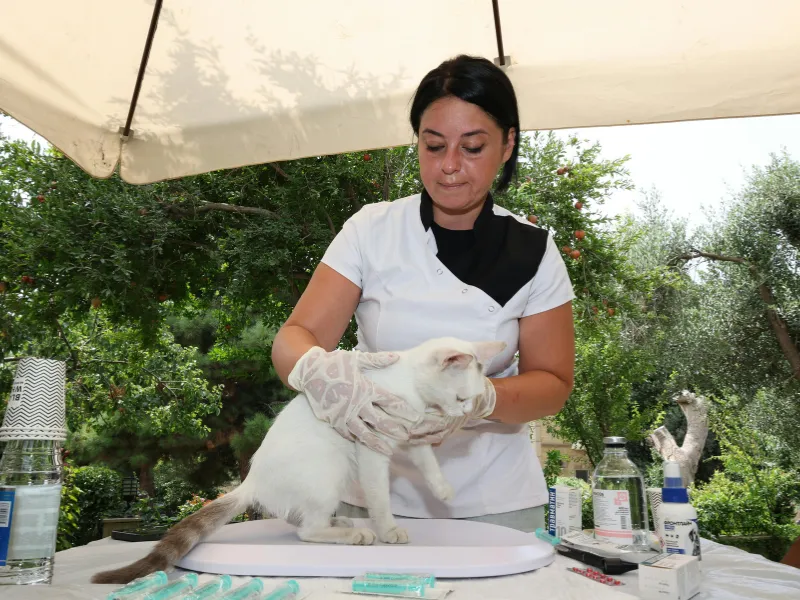
Kolkata’s climate is challenging, but awareness makes all the difference. Cats may not communicate discomfort clearly, but their bodies respond quickly to environmental stress.
Understanding seasonal risks, observing daily behavior, and seeking timely care are the foundations of responsible pet ownership. Long-term well-being starts with paying attention to cat health realities—not when something goes wrong, but before it does.