-
Kutchina service center, Beleghata, Kolkata, WB-700010
Kutchina service center, Beleghata, Kolkata, WB-700010
Pets can’t tell us when something is wrong. They communicate discomfort and illness through behavioural changes and physical signs, which many pet parents unintentionally ignore or delay acting upon. Unfortunately, in veterinary medicine, time is often the difference between recovery and complications.
If you are a pet parent searching for clarity, this guide breaks down five critical warning signs that require immediate veterinary attention. These insights are based on real clinical scenarios commonly seen by the best veterinary doctor in Kolkata, and they apply to both dogs and cats.
Early action saves lives. Let’s get straight into it.
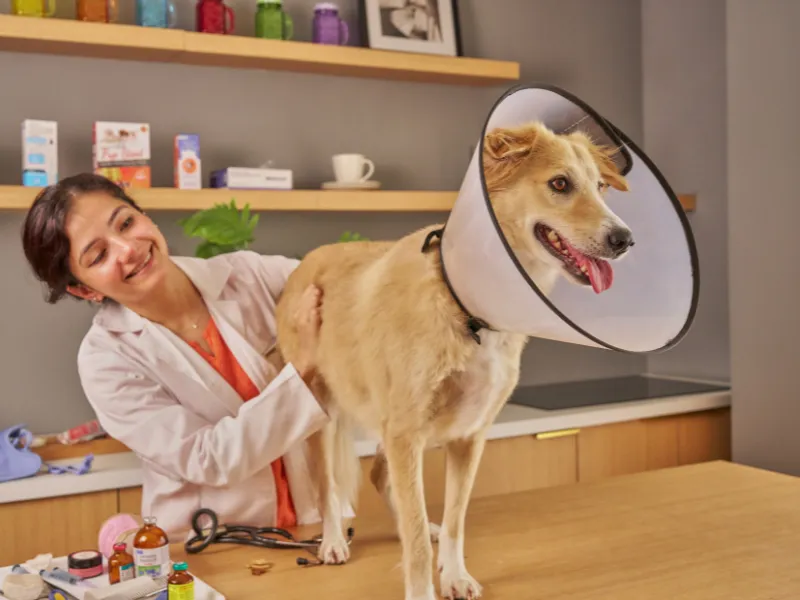
Many pet emergencies don’t start as emergencies. They begin as subtle symptoms that worsen rapidly if left untreated. Pets instinctively hide pain, so when signs become visible, the condition may already be advanced.
Delaying care can result in:
Knowing what to watch for empowers you to act decisively.
A healthy pet rarely skips meals. When your pet refuses food or water for more than 24 hours (or 12 hours for puppies, kittens, or senior pets), it’s a red flag.
Loss of appetite can indicate:
Dehydration escalates quickly, especially in cats.
Consult the best veterinary doctor in Kolkata immediately to prevent complications.
Breathing issues are never normal. Any change in breathing pattern should be treated as urgent.
Watch for:
These symptoms may indicate:
Breathing problems can become fatal within minutes. Do not wait or attempt home remedies.
One episode of mild vomiting may not be serious. However, repeated vomiting or diarrhoea, especially with blood, requires immediate veterinary care.
Possible causes include:
Early diagnosis by an experienced veterinary doctor significantly improves outcomes.
Pets communicate illness through behaviour. Sudden personality changes often signal internal issues.
Common warning signs:
These may indicate:
If your pet “doesn’t seem like themselves,” trust your instincts and seek professional help.
Pets tolerate pain silently. By the time limping or swelling is visible, the condition may already be serious.
Look out for:
Potential causes include:
Pain management should always be handled by a qualified veterinary professional.
| Symptom | Possible Risk | Action Required |
| Refusal to eat/drink | Organ failure, infection | Immediate consultation |
| Breathing difficulty | Heart/lung emergency | Emergency visit |
| Vomiting/diarrhoea with blood | Internal bleeding, infection | Urgent diagnosis |
| Sudden lethargy or collapse | Neurological or metabolic issue | Immediate care |
| Limping or visible pain | Injury or internal damage | Veterinary evaluation |
Not all pet health issues are obvious. Accurate diagnosis requires:
Choosing the best veterinary doctor in Kolkata ensures your pet receives timely, evidence-based treatment—especially during emergencies.
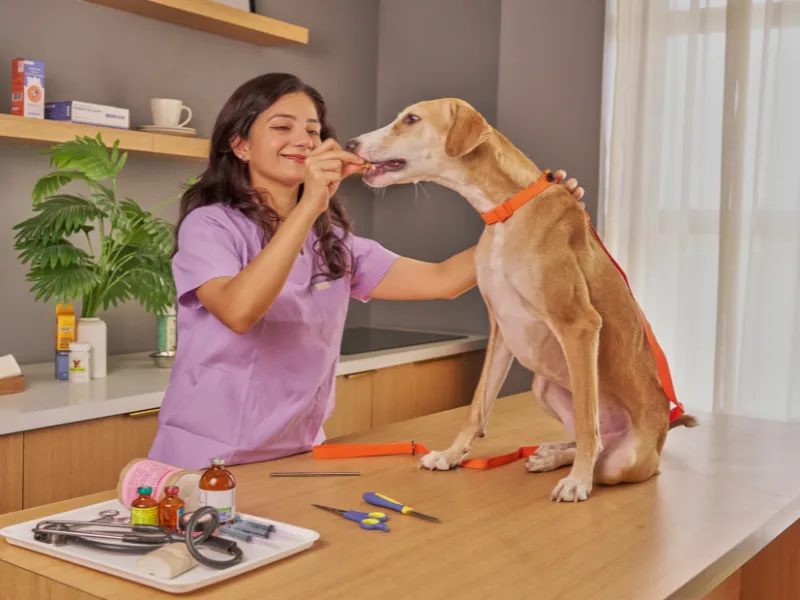
Avoid these common mistakes:
Pets deteriorate faster than humans. Time lost cannot always be recovered.
Many emergencies are preventable with:
Proactive care reduces emergency visits and improves your pet’s quality of life.
If symptoms appear suddenly, worsen quickly, or involve breathing, bleeding, collapse, or severe pain—treat it as an emergency.
No. Conditions that worsen overnight can become life-threatening. Early intervention is always safer.
Yes. Cats are experts at masking pain. Any behavioural change in cats should be taken seriously.
Share details about symptoms, duration, diet changes, recent injuries, medications, and vaccination history.
At least once a year for healthy adult pets, and every 6 months for senior pets or those with chronic conditions.

Your pet depends entirely on you for protection and care. Recognising warning signs early and acting without delay can save their life.
If you ever feel unsure, don’t second-guess—consult the best veterinary doctor in Kolkata and give your pet the medical attention they deserve.
Because when it comes to pet health, fast decisions are smart decisions.