-
Kutchina service center, Beleghata, Kolkata, WB-700010
Kutchina service center, Beleghata, Kolkata, WB-700010
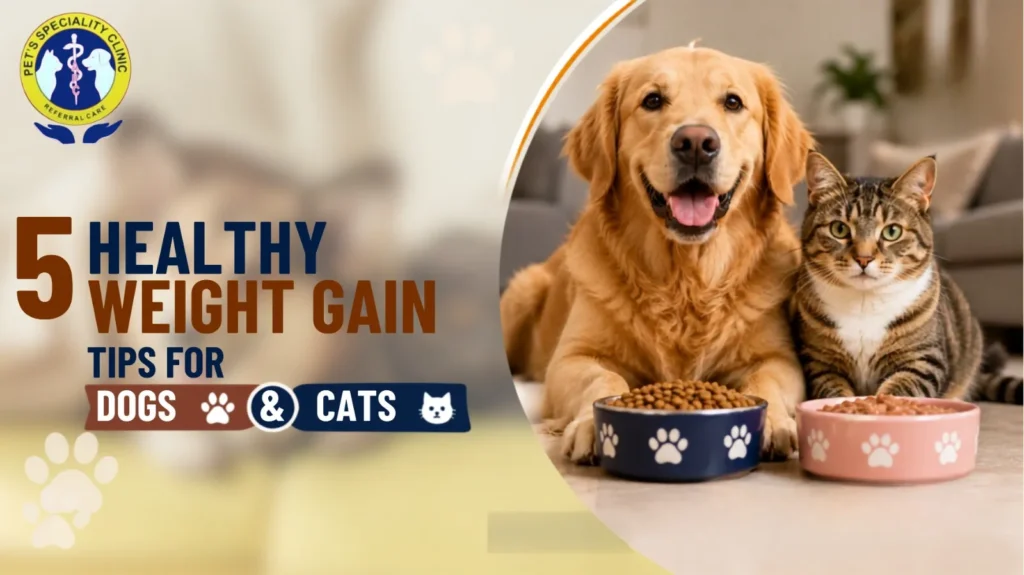
As pet parents, we often focus on preventing obesity in our furry companions. However, being underweight can be just as concerning. If your dog or cat has lost weight unexpectedly, appears thin, or struggles to maintain a healthy body condition, it’s important to understand the underlying cause before trying to increase their weight.
Healthy weight gain is not simply about feeding more food. It requires proper nutrition, regular health checks, and an understanding of your pet’s specific needs. Seeking guidance from a trusted veterinary clinic in Kolkata can help ensure your pet gains weight safely without developing other health issues.
In this guide, we’ll discuss the common causes of weight loss, signs that your pet may be underweight, and practical ways to support healthy weight gain.
Every pet has a different ideal weight based on breed, age, and body structure. However, some common signs of an underweight pet include:
If you notice these signs, a visit to a veterinary clinic in Kolkata is recommended to identify the root cause and create a suitable nutrition plan.
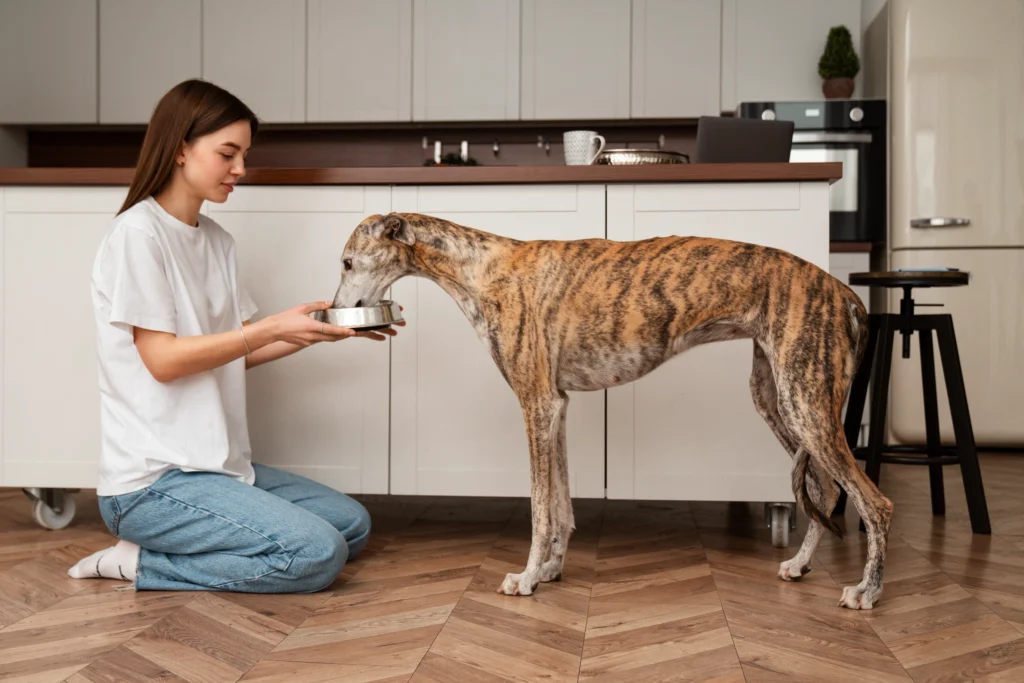
Before focusing on weight gain, it’s important to understand why your pet may be losing weight.
Some pets simply do not receive enough calories to meet their daily energy requirements. This can happen due to low-quality food, incorrect feeding portions, or nutritional imbalances.
Conditions affecting the stomach or intestines can prevent proper absorption of nutrients. Even if your pet eats well, they may still lose weight if their body cannot utilize the nutrients effectively.
Intestinal worms are a common cause of weight loss in both dogs and cats. Parasites consume nutrients that should be supporting your pet’s growth and overall health.
Painful teeth or gum disease can make eating uncomfortable, causing pets to eat less than they need.
Chronic illnesses such as kidney disease, diabetes, thyroid disorders, or infections can contribute to weight loss. This is why a health evaluation at a veterinary clinic in Kolkata is essential before making significant dietary changes.
Changes in environment, travel, new family members, or other stressful situations can affect a pet’s appetite and lead to gradual weight loss.
Once medical causes have been ruled out or treated, you can focus on helping your pet gain weight in a healthy manner.
Nutrition plays the biggest role in healthy weight gain. Look for foods that provide:
Protein helps build muscle, while healthy fats provide concentrated energy that supports weight gain.
Avoid suddenly doubling your pet’s food intake. Rapid dietary changes can cause digestive upset and discomfort.
Instead:
Gradual changes allow your pet’s digestive system to adapt comfortably.
Some pets struggle to consume large meals. Dividing food into three to four smaller meals throughout the day can improve calorie intake while reducing digestive stress.
This approach is particularly helpful for older pets and those recovering from illness.
Depending on your veterinarian’s advice, certain calorie-rich additions may support healthy weight gain.
Examples include:
Always introduce new foods gradually and under professional guidance.
Weight gain should ideally come from both fat and muscle. Gentle exercise helps maintain muscle strength and improves overall health.
Activities may include:
Your veterinarian can recommend an exercise routine suitable for your pet.
Many pet owners make the mistake of increasing food intake without first understanding the cause of weight loss.
Regular check-ups at a veterinary clinic in Kolkata can help:
Veterinary guidance is especially important for senior pets, puppies, kittens, and animals recovering from surgery or illness.
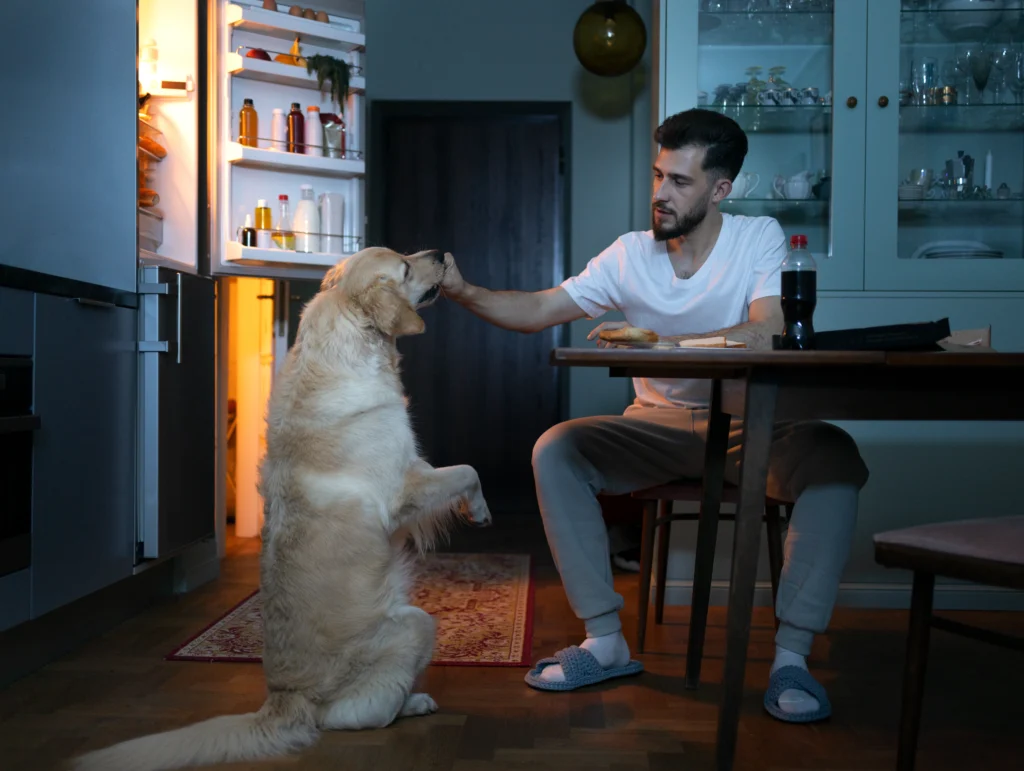
Dogs may require different approaches depending on their age and activity level.
Helpful strategies include:
Working closely with a veterinary clinic in Kolkata allows dog owners to create a personalized feeding plan that meets their pet’s nutritional needs.
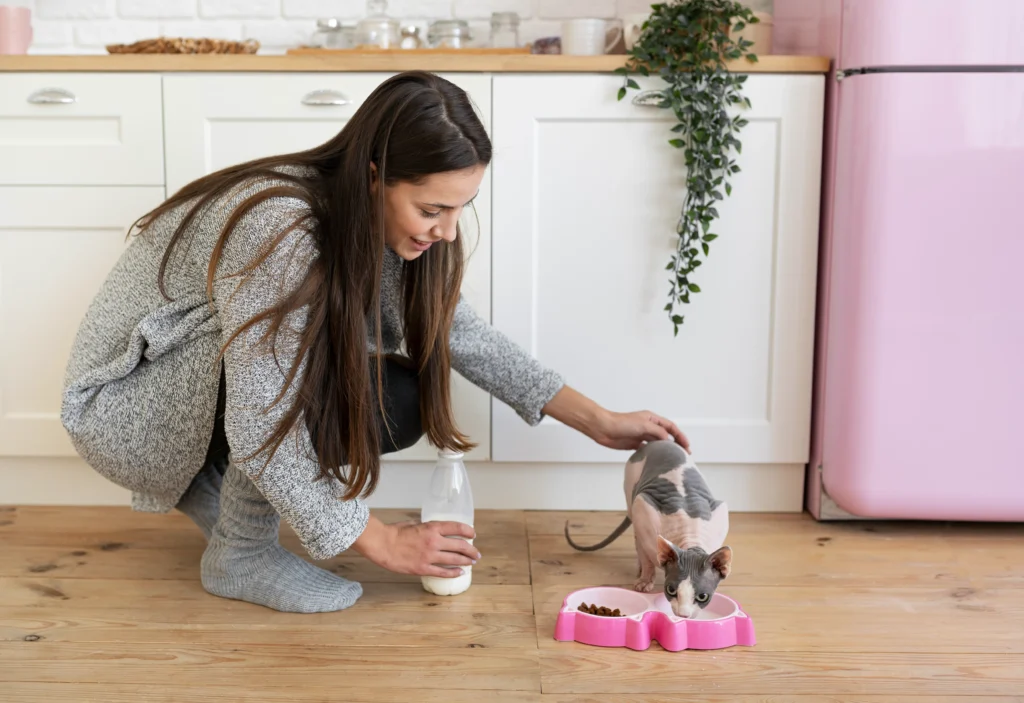
Cats can be particularly selective eaters, making weight gain more challenging.
To encourage healthy weight gain:
Cats that experience sudden weight loss should always be evaluated by a veterinary clinic in Kolkata, as underlying diseases can progress quickly if left untreated.
While trying to help your pet gain weight, avoid these common mistakes:
Excessive food intake can lead to digestive problems and unhealthy fat accumulation.
Foods such as chips, sweets, fried items, and processed snacks are unsuitable for pets and may cause health complications.
Weight loss accompanied by vomiting, diarrhea, excessive thirst, lethargy, or appetite changes requires immediate veterinary attention.
Monitoring progress is just as important as starting a nutrition plan. Regular visits to a veterinary clinic in Kolkata help ensure your pet remains on the right track.
Visible ribs, spine, or hip bones, along with reduced muscle mass and low energy levels, are common signs that a pet may be underweight.
Not always. Weight loss may be caused by an underlying medical condition. It’s important to consult a veterinarian before making major dietary changes.
High-quality protein sources, healthy fats, balanced pet food, and veterinarian-approved supplements can support healthy weight gain.
The timeline varies depending on the cause of weight loss, age, breed, and overall health. Healthy weight gain is usually gradual and may take several weeks or months.
If your pet is losing weight unexpectedly, refusing food, showing signs of illness, or appears weak, schedule an examination as soon as possible.
Yes. Intestinal worms and other parasites can interfere with nutrient absorption and are a common cause of weight loss in both dogs and cats.