-
Kutchina service center, Beleghata, Kolkata, WB-700010
Kutchina service center, Beleghata, Kolkata, WB-700010

If you are a pet parent, keeping your furry companion healthy goes far beyond feeding them good food and taking them for walks. One of the most important yet often ignored parts of pet care is regular deworming. Many pet owners wait until they notice symptoms, but by then, worms may already be affecting the pet’s health. Visiting a trusted veterinary clinic in kolkata can help you understand the right deworming schedule for your pet and prevent serious health problems before they begin.
Parasites such as roundworms, hookworms, tapeworms, and whipworms are common in both dogs and cats. These worms can remain hidden inside your pet’s body for a long time without showing obvious symptoms. In some cases, pets may not show obvious symptoms at all. However, these parasites can slowly weaken immunity, affect digestion, reduce energy levels, and even spread infections to humans, especially children.
That is why deworming should never be treated as a one-time task. It should be a regular part of your pet’s healthcare routine.
Pets are naturally curious. They sniff the ground, lick dirty surfaces, eat things they should not, and spend time outdoors. This increases the risk of them coming into contact with parasite eggs. contaminated soil, water, infected animals, or even fleas.
Worm infestations can lead to:
In puppies and kittens, worms can become even more dangerous because their immune systems are still developing. Severe infestations may affect growth and overall development.
Regular checkups at a veterinary clinic in kolkata can help identify these issues early and make sure your pet receives proper treatment before the condition becomes serious.
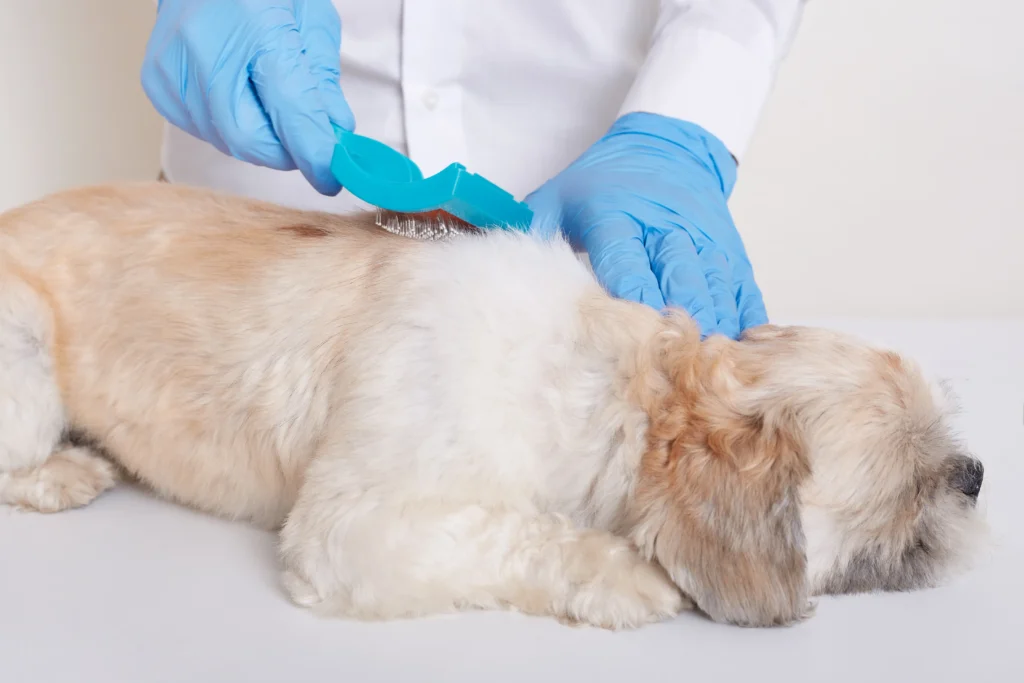
Young pets need more frequent deworming because they are highly vulnerable to intestinal parasites. In many cases, puppies and kittens can get worms from their mother during pregnancy or through milk feeding.
General Deworming Schedule for Puppies and Kittens
This schedule may vary depending on your pet’s health condition, lifestyle, and exposure risk. That is why it is always better to consult a professional at a veterinary clinic in kolkata rather than using random medications without guidance.
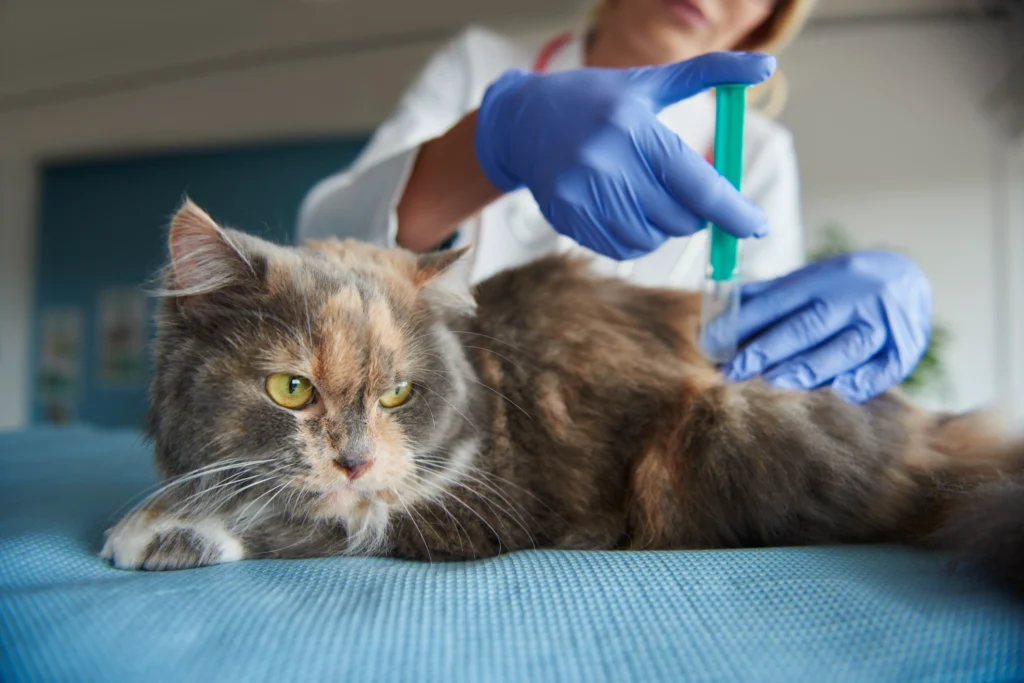
For most adult pets, deworming every 3 months is commonly recommended. However, there is no single rule that fits every pet.
Some pets may need more frequent deworming depending on:
Indoor pets are also at risk. Many pet owners believe that indoor cats or dogs do not need deworming regularly, but parasites can still enter the home through shoes, insects, contaminated food, or other animals.
An experienced veterinary clinic in kolkata can suggest the most suitable schedule based on your pet’s daily routine and health condition.
Even if your pet follows a schedule, certain symptoms should never be ignored. Contact your veterinarian if you notice:
Some parasites can become serious if left untreated for a long time. Early treatment can protect not only your pet but also your family members.
Yes, some parasites are zoonotic, which means they can spread from animals to humans. Children are especially at higher risk because they often play on the floor, in parks, or closely interact with pets.
This makes regular hygiene and deworming extremely important. Washing hands after handling pets, cleaning litter boxes properly, and maintaining regular vet visits can reduce these risks significantly.
A reliable veterinary clinic in kolkata will also guide pet owners about preventive care and hygiene practices to keep both pets and families safe.
Many pet owners think giving extra deworming medicine is harmless, but unnecessary medication should always be avoided. Over-deworming may lead to digestive discomfort or medicine resistance over time.
Instead of guessing, it is better to follow a proper schedule recommended by your veterinarian. Sometimes stool tests are also suggested to identify the exact type of parasite before treatment.
Every pet is different, and their treatment should also be personalized.
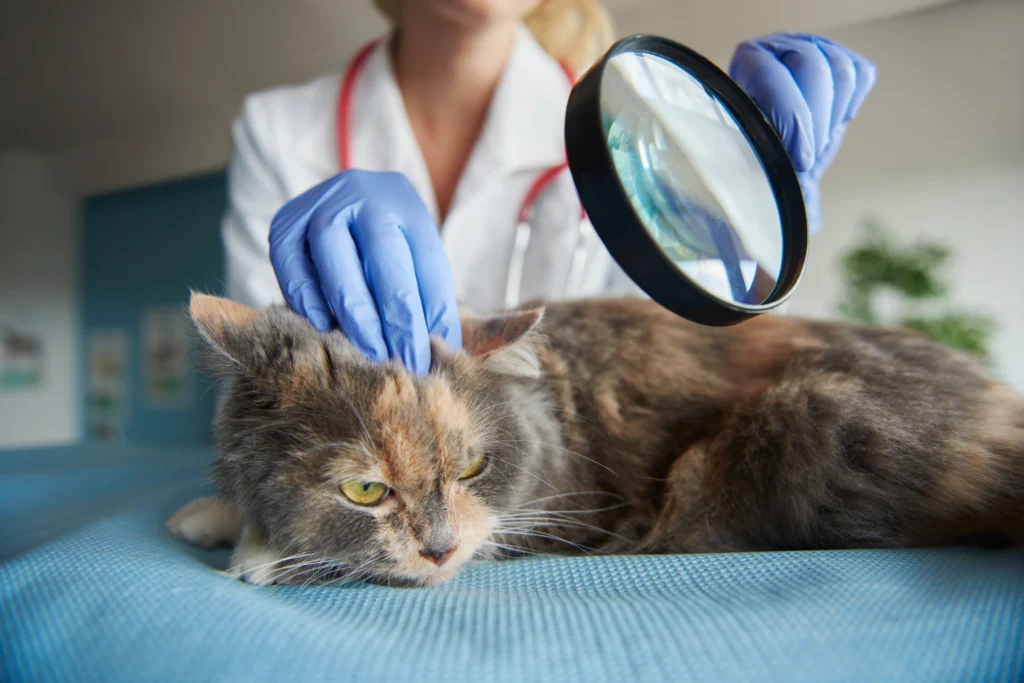
Along with regular deworming, a few simple habits can reduce the chances of infection.
Maintain a Clean Environment for Your Pet and Home
Clean food bowls, bedding, litter trays, and living spaces regularly.
Control Fleas
Fleas often carry tapeworm eggs. Proper flea control is very important.
Avoid Feeding Raw Meat
Raw food may contain parasite larvae that infect pets easily.
Pick Up Pet Waste Quickly
Parasite eggs can spread through contaminated stool.
Schedule Routine Vet Visits
Regular health checkups help detect problems early before they become severe.
Preventive care is always easier and safer than emergency treatment later.
Many pet owners buy deworming medicines directly from stores or follow advice from the internet. While this may seem convenient, incorrect dosage or wrong medication may not work properly.
Different parasites require different treatments, and factors like age, weight, breed, and health condition matter a lot. Visiting a trusted veterinary clinic in kolkata ensures your pet receives safe and effective care tailored to their needs.
A veterinarian can also combine deworming schedules with vaccinations, nutrition advice, and overall wellness planning, helping your pet live a healthier and happier life.
Deworming is not just another routine task on a pet care checklist. It plays a major role in protecting your pet’s digestive health, immunity, growth, and overall well-being. Waiting for visible symptoms is never a good idea because many worm infestations remain hidden in the early stages.
Whether you have a playful puppy, an indoor cat, or a senior dog, regular veterinary care and timely deworming are essential. Consulting a professional veterinary clinic in kolkata can help you follow the right schedule and give your pet the healthy life they deserve.
1. How often should I deworm my dog or cat?
Most adult pets should be dewormed every 3 months, but the schedule may vary depending on lifestyle and health conditions.
2. Do indoor pets also need deworming?
Yes. Indoor pets can still get parasites through contaminated food, insects, shoes, or contact with infected animals.
3. What are the common signs of worms in pets?
Vomiting, diarrhea, bloated stomach, weight loss, dull fur, and low energy are some common signs.
4. Can humans get worms from pets?
Yes, certain parasites can spread from pets to humans, especially children.
5. Is it safe to deworm pets at home?
Only after proper veterinary guidance. Incorrect medication or dosage may not treat the problem properly.
6. At what age should puppies and kittens start deworming?
Usually from 2 weeks of age, followed by regular intervals recommended by the veterinarian.