-
Kutchina service center, Beleghata, Kolkata, WB-700010
Kutchina service center, Beleghata, Kolkata, WB-700010

Feeding your dog the right food is one of the most important responsibilities of a pet owner. A balanced diet not only keeps your dog active and happy but also helps prevent many health problems. If you’ve ever wondered what foods are actually good for your dog, this simple guide will help you make better choices.
If you are unsure about your pet’s diet, consulting a veterinary clinic in Kolkata can help you understand your dog’s specific nutritional needs based on age, breed, and health condition.
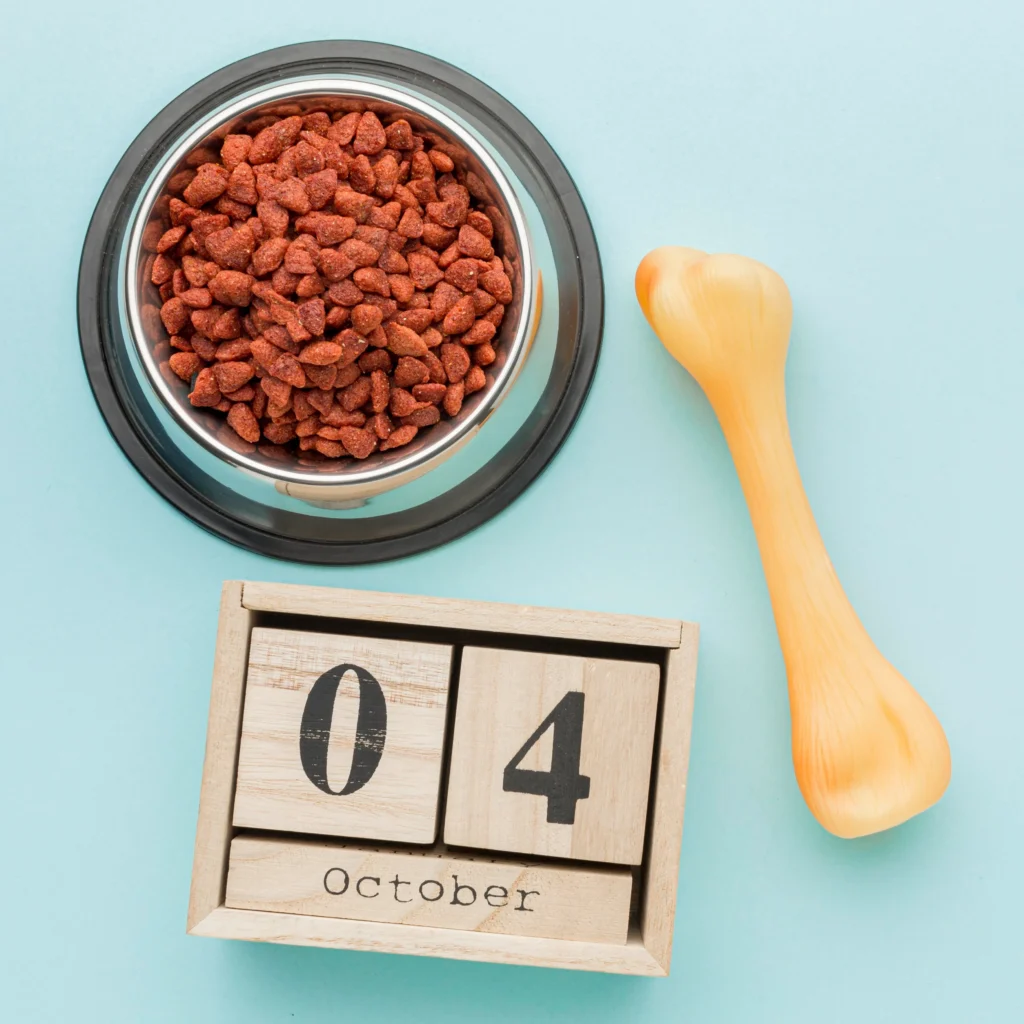
Just like humans, dogs need a mix of protein, carbohydrates, fats, vitamins, and minerals. Poor diet can lead to obesity, weak immunity, skin problems, and digestive issues. A proper diet ensures:
For personalized advice, visiting a veterinary clinic in Kolkata is always a good step.
Lean meat is one of the best sources of protein for dogs. It helps build strong muscles and keeps your dog energetic.
Protein intake should be balanced, so consulting a veterinary clinic in Kolkata ensures you’re feeding the right amount.
Fish like salmon or sardines are excellent for your dog’s skin and coat. Omega-3 fatty acids also support brain health.
If your dog has allergies, a veterinary clinic in Kolkata can guide you on whether fish is suitable.
Eggs are affordable and packed with protein, vitamins, and healthy fats.
They are especially helpful for dogs needing extra nutrition, but it’s best to confirm with a veterinary clinic in Kolkata for proper portions.
Rice is gentle on the stomach and perfect for dogs with digestive problems.
Many vets recommend rice-based diets during illness, and a veterinary clinic in Kolkata can suggest the right combinations.
Carrots are a healthy, low-calorie snack.
They are a great alternative to processed treats, but moderation is key.
Pumpkin is excellent for digestive health and can help with both constipation and diarrhea.
For ongoing digestive issues, it’s best to consult a veterinary clinic in Kolkata.
Apples are good sources of vitamins A and C.
They make a refreshing snack but should not replace regular meals.
Plain yogurt helps improve digestion and boosts gut health.
Some dogs may be lactose intolerant, so check with a veterinary clinic in Kolkata before adding it regularly.
While focusing on healthy foods, it’s equally important to avoid harmful ones:
If your dog accidentally eats any of these, contact a veterinary clinic in Kolkata immediately.
Portion size depends on:
Overfeeding can lead to obesity, while underfeeding can cause weakness. A proper diet plan from a veterinary clinic in Kolkata ensures your dog gets balanced nutrition.
Regular check-ups at a veterinary clinic in Kolkata can help track your dog’s health and adjust the diet when needed.

Feeding your dog healthy food doesn’t have to be complicated. Simple, natural foods like lean meat, rice, vegetables, and yogurt can make a big difference in your pet’s health. The key is balance, portion control, and consistency.
Every dog is different, so it’s always a smart idea to consult a veterinary clinic in Kolkata to create a diet plan that suits your pet perfectly.
1. Can I feed my dog home-cooked food every day?
Yes, but it should be balanced with the right nutrients. Consulting a vet is recommended.
2. Is milk good for dogs?
Not always. Many dogs are lactose intolerant, so yogurt is a better option.
3. How often should I feed my dog?
Most adult dogs eat twice a day, while puppies need more frequent meals.
4. Can dogs eat fruits daily?
Yes, but only in small amounts as treats.