-
Kutchina service center, Beleghata, Kolkata, WB-700010
Kutchina service center, Beleghata, Kolkata, WB-700010
Hello Reader!
Welcome to the blog page of APC Pet Clinic, one of the best pet clinic in Kolkata.
As a cat parent, one of the most worrying situations is when your furry companion suddenly starts having loose stools. If your cat has diarrhea, it can be confusing to know whether it is just a temporary stomach upset or a sign of a more serious health issue. While occasional digestive disturbances may happen, persistent or severe diarrhea should never be ignored.
At APC Pet Clinic, known by many pet lovers as the best pet clinic in Kolkata, we understand how stressful it can be when your pet is unwell. Cats are often experts at hiding discomfort, so when digestive symptoms become obvious, it is important to pay close attention and take the right steps.
In this detailed guide, we will explain what you should do if your cat has diarrhea, the possible causes, warning signs, home care tips, treatment options, and when you should visit a veterinarian immediately.
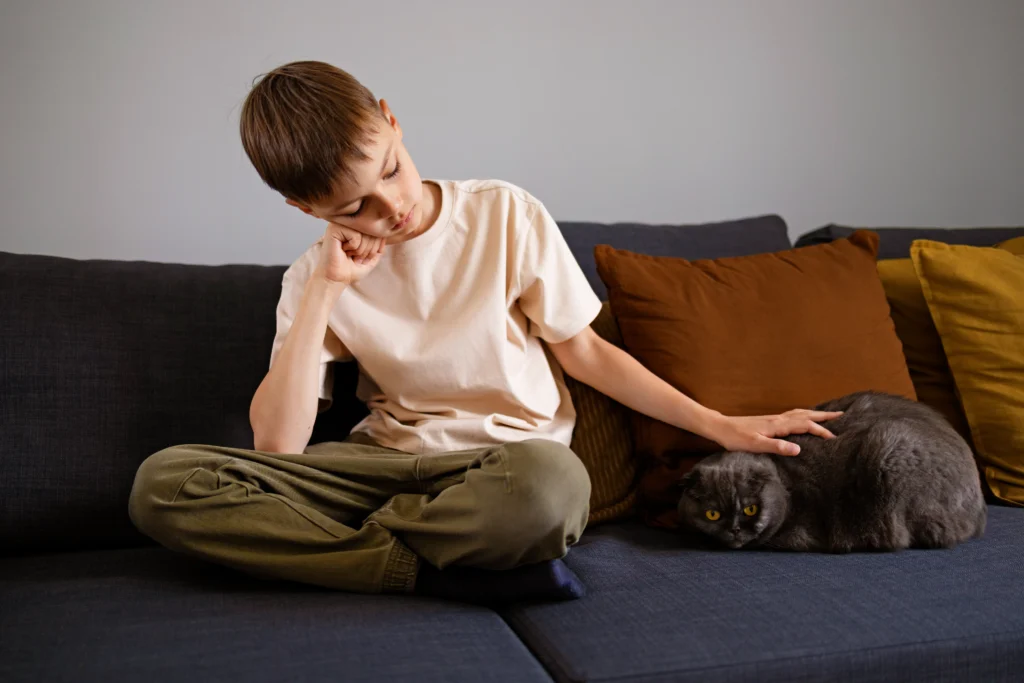
Diarrhea in cats refers to loose, watery, or unusually frequent stools. It is not a disease by itself but rather a symptom of an underlying issue. Sometimes it may last for just a day, while in other cases it may continue for several days or become chronic.
If your cat has diarrhea, the digestive system is telling you that something is wrong. This may be due to dietary changes, infections, parasites, food intolerance, stress, or even more serious internal diseases.
A single episode may not always be alarming, but repeated episodes are definitely worth attention—especially if your cat also seems weak, dehydrated, or unwilling to eat.
There are many reasons why your cat has diarrhea, and some are mild while others need immediate veterinary care.
Because there are so many possible causes, it is important not to assume that it will always resolve on its own.
At the best pet clinic in Kolkata, veterinarians often remind pet owners that diarrhea is a symptom that deserves observation, especially if it persists.
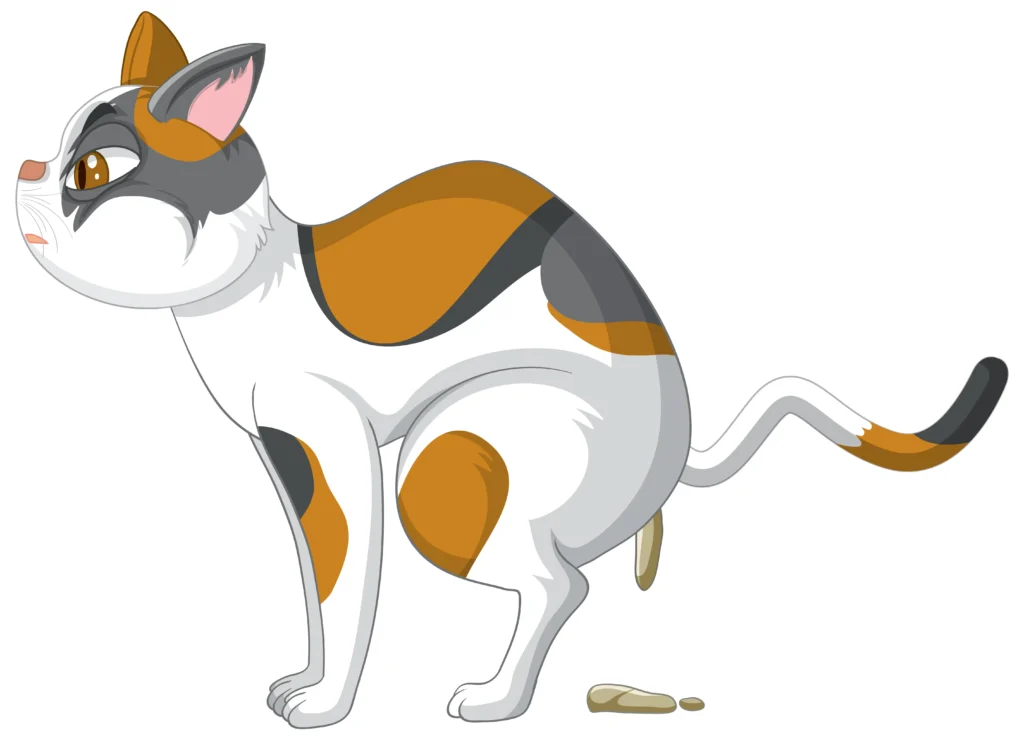
If your cat has diarrhea, the first thing you should do is stay calm and begin observing your cat carefully. Panic won’t help—but quick attention will.
Let’s go step by step.
This may not be pleasant, but it is extremely important.
When your cat has diarrhea, take note of:
These details can help your veterinarian understand what may be going on.
If your cat has diarrhea, you need to look beyond the litter box.
Ask yourself:
A playful, alert cat with one loose stool may be less concerning than a lethargic cat with repeated diarrhea and vomiting.
At the best pet clinic in Kolkata, one of the first things vets assess is the cat’s energy level, hydration, and appetite.
One of the biggest risks when your cat has diarrhea is dehydration. Cats can lose fluids and electrolytes quickly, especially if the diarrhea is frequent or accompanied by vomiting.
Signs of dehydration in cats include:
If your cat has diarrhea and is not drinking water, that is a red flag and you should contact a veterinarian quickly.
A very common reason a cat has diarrhea is a sudden dietary change.
Ask yourself:
Cats have sensitive digestive systems, and even small dietary changes can upset their stomach.
If your cat has diarrhea, remembering what they ate in the past 24–48 hours can be very helpful.
This is one of the most important things to remember.
If your cat has diarrhea, never give human anti-diarrheal medication unless a veterinarian specifically tells you to do so.
Some human medicines can be dangerous—or even toxic—for cats.
Avoid giving:
When in doubt, it is always safer to speak to a vet at the best pet clinic in Kolkata rather than trying risky home treatment.
Also Read: Why is Regular Veterinary Care Important for Pets?
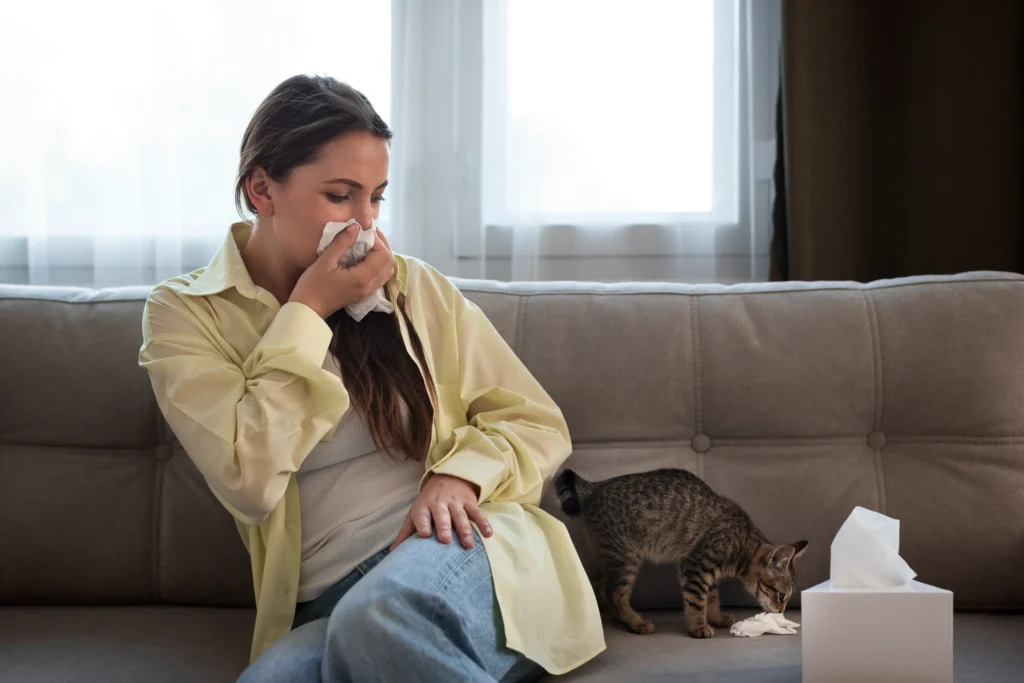
Yes, but carefully.
In the past, some people believed in completely stopping food for a long time, but this is not always the best idea for cats. Cats should not go too long without food, especially because prolonged fasting can create additional health risks.
If your cat has diarrhea, it may help to offer a bland, easily digestible diet for a short period—but only if your cat is otherwise stable and still willing to eat.
Never experiment with random “home remedies” without guidance, especially if the diarrhea continues.
At the best pet clinic in Kolkata, diet plans are often tailored depending on the cause of diarrhea and the cat’s age, health, and hydration status.
Let’s take a closer look at why your cat has diarrhea, because understanding the cause is key to proper treatment.
This means your cat ate something it should not have.
Cats are curious, and they may eat:
This is one of the most common reasons a cat has diarrhea.
Some cats react poorly to certain ingredients in food.
Possible triggers include:
If diarrhea happens repeatedly after certain foods, a food sensitivity may be involved.
Parasites are a very common reason a cat has diarrhea, especially in kittens and outdoor cats.
Common parasites include:
A stool test is often needed to confirm the problem.
Infections can irritate the intestines and cause diarrhea.
This may happen due to:
In some cases, diarrhea may also come with vomiting, fever, or loss of appetite.
Yes—cats can develop digestive problems due to stress.
If your cat has diarrhea, think about whether anything changed recently:
Cats are sensitive creatures, and emotional stress can affect their digestion.
If your cat has diarrhea frequently or for a long time, chronic conditions may need to be ruled out.
These may include:
This is why persistent diarrhea should always be checked by a vet.
Sometimes diarrhea is mild. Other times, it is a medical emergency.
You should visit a veterinarian immediately if your cat has diarrhea and also shows any of the following:
Kittens are especially vulnerable because they can become dehydrated very quickly.
At the best pet clinic in Kolkata, emergency digestive issues in cats are treated with urgency because delay can make the condition much worse.
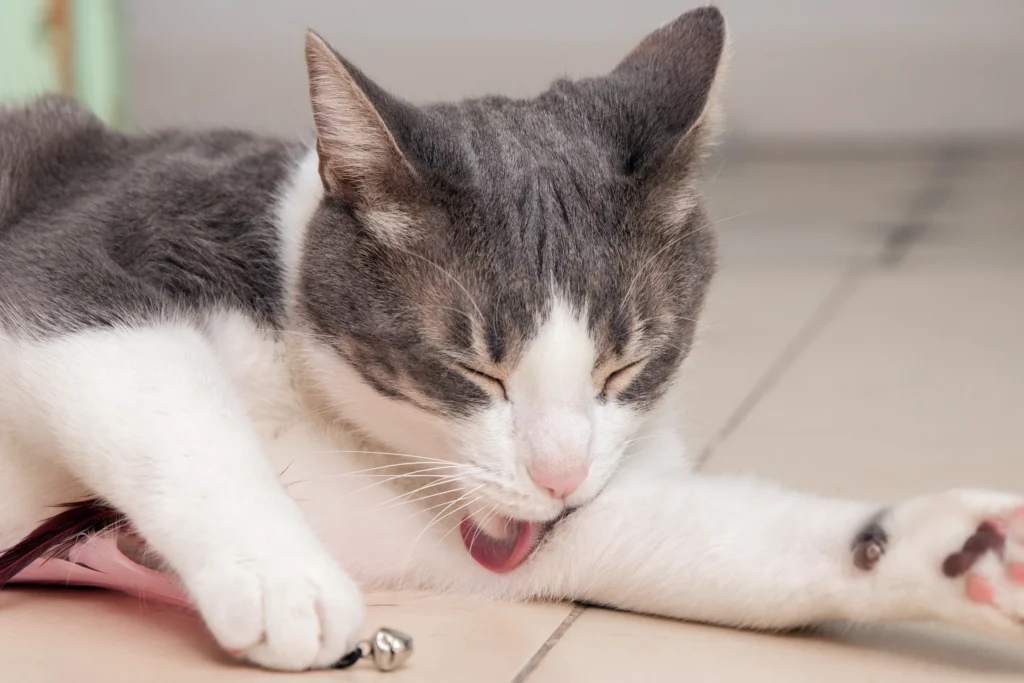
If your cat has diarrhea, the veterinarian will first try to identify the cause and check whether your cat is dehydrated or seriously ill.
At the best pet clinic in Kolkata, this step-by-step evaluation helps ensure that the treatment is not just symptom-based, but actually targeted to the root cause.
Treatment depends entirely on why your cat has diarrhea. There is no one-size-fits-all treatment.
If your cat is dehydrated, fluids may be needed—either orally, under the skin, or intravenously.
If parasites are found, anti-parasitic medication may be prescribed.
These can help support healthy gut bacteria and improve digestion.
A special gastrointestinal diet may help the intestines recover.
Depending on the cause, the vet may prescribe:
If the diarrhea is due to liver, kidney, thyroid, or intestinal disease, the treatment will focus on the primary problem.
This is why professional diagnosis matters when your cat has diarrhea.
Once your cat returns home, aftercare is very important.
If your cat has diarrhea, here are a few recovery tips:
Do not stop medicines early just because the stool looks better after a day or two.
While not every case can be prevented, many digestive issues can be reduced with proper care.
If your cat has diarrhea repeatedly, prevention may also mean identifying food intolerance or an underlying health issue.
At the best pet clinic in Kolkata, preventive pet care is one of the best ways to avoid emergency digestive problems.
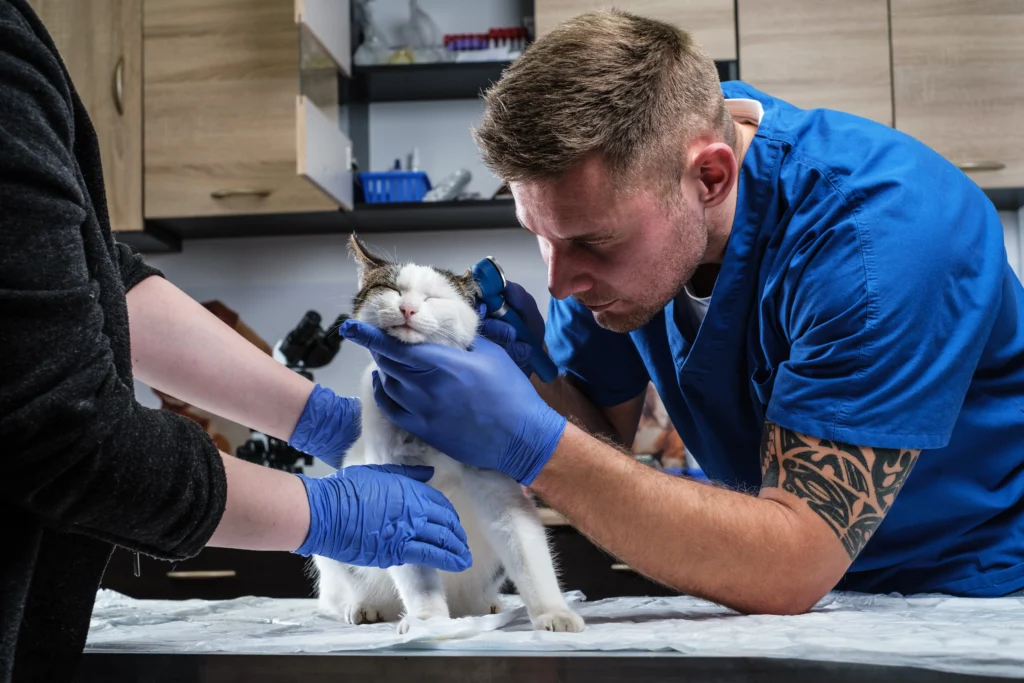
Many pet owners wait too long, hoping the diarrhea will simply go away. While some mild cases may settle, others can worsen rapidly.
If your cat has diarrhea, timely veterinary attention can help:
The earlier the cause is identified, the easier it often is to treat.
At APC Pet Clinic, we know that your cat is not just a pet—they are family. Whether it is a mild digestive upset or a serious health concern, our team is here to provide compassionate, expert veterinary care.
As a trusted choice for pet owners and often considered the best pet clinic in Kolkata, we focus on accurate diagnosis, gentle handling, and effective treatment plans tailored to your cat’s individual needs.
From digestive concerns to preventive wellness care, we are committed to keeping your feline companion healthy and happy.

Not always. A single loose stool may happen occasionally, but repeated diarrhea should be monitored closely.
It is not recommended without veterinary guidance, as some remedies may worsen the condition.
If your cat has diarrhea for more than 24–48 hours, you should consult a veterinarian.
Yes, kittens can become dehydrated very quickly, so diarrhea in kittens should be taken seriously.
Immediately, if there is blood in stool, vomiting, weakness, dehydration, refusal to eat, or persistent diarrhea.
If your cat has diarrhea, do not ignore it—especially if it lasts more than a day, happens repeatedly, or comes with vomiting, weakness, or dehydration.
A simple digestive upset can sometimes be managed early, but persistent diarrhea may signal something more serious. Paying attention to your cat’s stool, appetite, hydration, and behavior can help you know when to seek help.
At APC Pet Clinic, proudly serving pet families as the best pet clinic in Kolkata, we are here to support your pet’s health every step of the way.
If your cat has diarrhea, timely care can make all the difference.